First-time visitors to Italy often fall into an ambitious planning trap. They look at a map and decide to squeeze Rome, Florence, Venice, the Amalfi Coast, and Cinque Terre into ten days.
They spend half their precious vacation checking in and out of hotels, packing bags, and sitting on train platforms. By day six, exhaustion sets in, and every cathedral looks identical.
Italy is not a checklist of monuments to rush through. It is a living culture meant to be savored over slow afternoon espressos and evening strolls. Here is our field-tested 10-day itinerary connecting the classic “Big Three” cities with plenty of breathing room.
The 10-Day Route Map at a Glance
This route uses Italy’s high-speed rail network (Trenitalia or Italo). You travel directly from city center to city center in under two hours per leg, eliminating car rentals and airport hassles.
- Days 1 to 4: Rome (The Imperial Capital). Land at Rome Fiumicino. Spend your first four nights exploring the Colosseum, the Roman Forum, Vatican City, and Trastevere.
- Days 5 to 7: Florence and Tuscany (Renaissance and Wine). Board a high-speed train north to Florence (90 minutes). Base yourself near the historic center. Spend two days touring the Uffizi and Duomo, plus one day trip into the Chianti hills.
- Days 8 to 10: Venice (The Floating City). Take the train to Venice Santa Lucia (2 hours). Spend three nights exploring quiet back canals, St. Mark’s Basilica, and the colorful island of Burano. Depart from Venice Marco Polo airport.
Days 1 to 4: Savoring Rome Without Exhaustion
Rome is vast, chaotic, and mesmerizing. Do not schedule three major museum tours on your first full day while recovering from jet lag.
Spend Day 1 taking a self-guided walking tour through the historic center. Stroll from the Spanish Steps to the Trevi Fountain, marvel at the Pantheon, and end at Piazza Navona for gelato. The Pantheon is an architectural wonder that sets the stage for your trip.
Book early morning timed-entry tickets for the Colosseum and Roman Forum on Day 2. On Day 3, visit the Vatican Museums and St. Peter’s Basilica. Reserve Day 4 for wandering through the cobblestone alleys of Trastevere and the Jewish Ghetto.
Days 5 to 7: Art and Flavors in Florence
Florence is delightfully compact. Unlike sprawling Rome, you can walk across Florence in thirty minutes. The entire historic center is a UNESCO World Heritage site.
Climb the Duomo dome or Giotto’s Campanile for panoramic views across terracotta rooftops. Spend an afternoon admiring Michelangelo’s David at the Accademia Gallery. In the evening, walk up to Piazzale Michelangelo to watch the sunset over the Arno river.
On Day 7, take a regional bus or guided small-group van into the Tuscan countryside. Visit medieval San Gimignano and sample local ribollita soup and Chianti Classico wine at a family-run vineyard.
Days 8 to 10: The Serene Magic of Venice
Many travelers arrive in Venice on day trips and leave disappointed by midday crowds. The real secret of Venice is staying overnight on the island.
By 5:30 PM, day-trip tour groups board their buses and leave. The city transforms into an eerie, romantic wonderland. Church bells echo across calm canals. Water laps gently against ancient stone foundations.
Wake up early and walk to St. Mark’s Square at 7:00 AM before crowds arrive. Take the public vaporetto water bus to Burano to see brightly colored fishermen’s houses and lace workshops.
What Usually Happens in Real Life
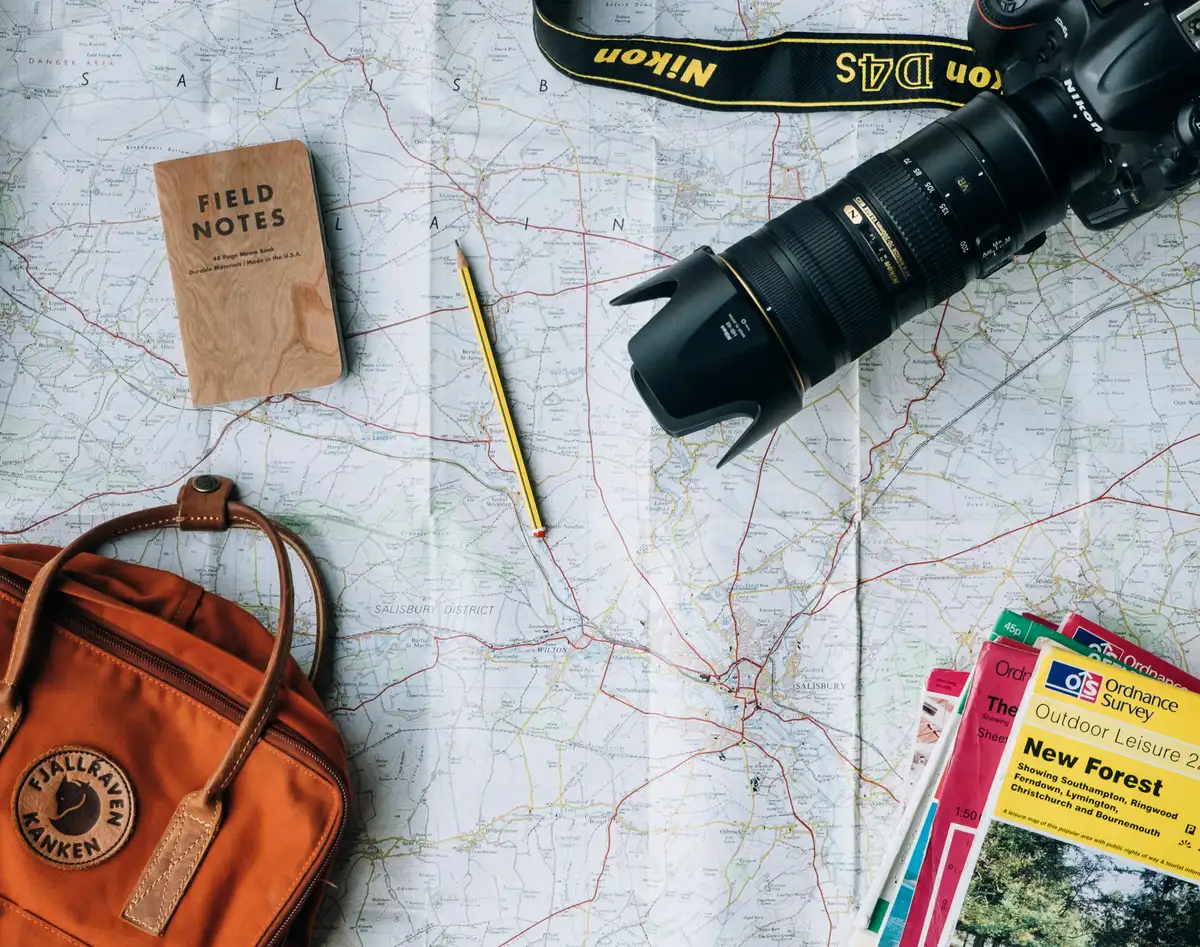
Travelers often buy train tickets at station ticket windows right before boarding. That mistake costs hundreds of dollars in peak fares.
High-speed train tickets in Italy operate on dynamic airline-style pricing. Booking two months in advance secures tickets for €19 per person. Buying tickets ten minutes before departure can cost €95 for the exact same seat.
In addition, remember that museum tickets for the Colosseum, Vatican Museums, and Uffizi Gallery sell out weeks in advance. Always book official timed-entry tickets online through official government heritage portals, not overpriced tour reseller sites.
What Most People Overlook: Booking an “Open-Jaw” Flight
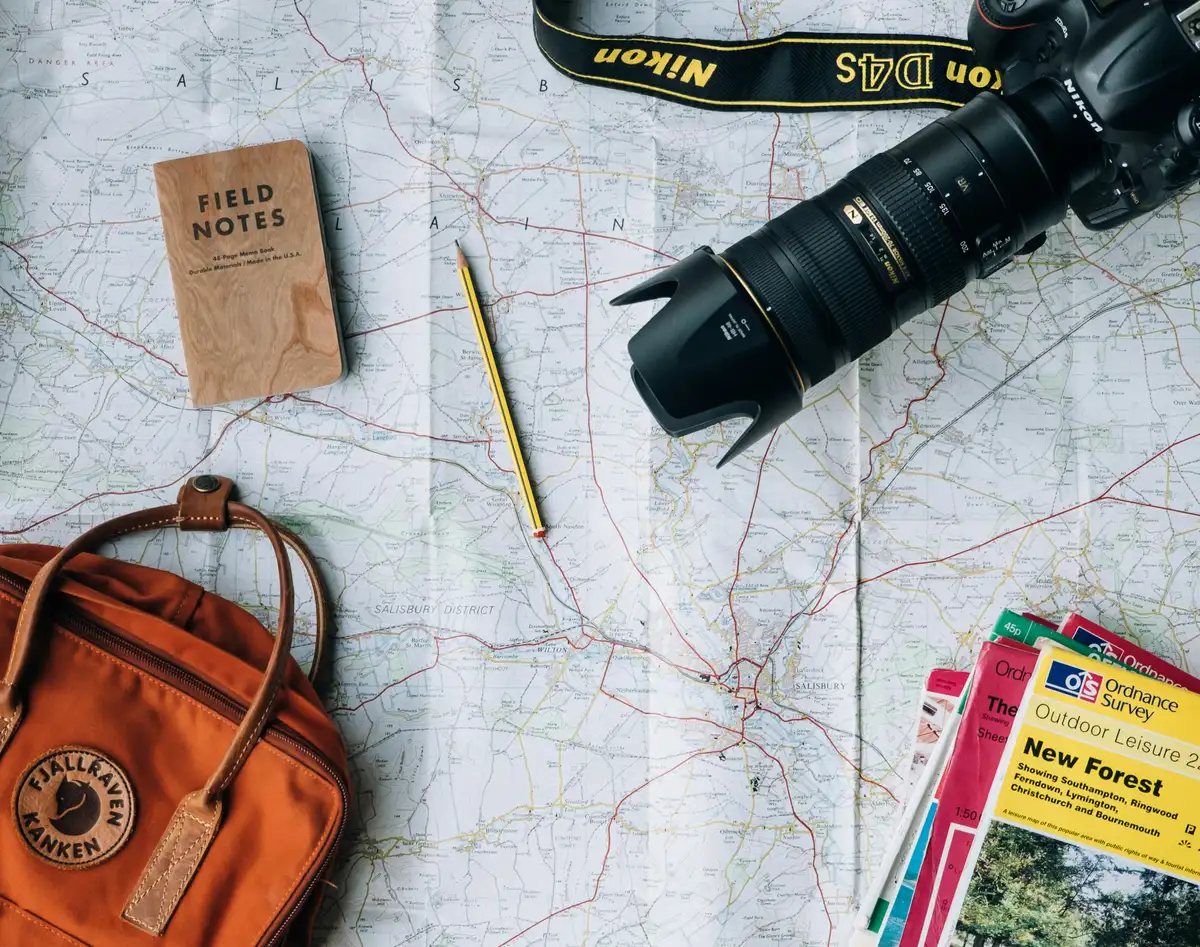
The biggest logistics mistake is booking a standard roundtrip flight into and out of Rome. If you fly roundtrip to Rome, you must backtrack four hours on a train from Venice back to Rome on your final day.
Instead, book an “open-jaw” or multi-city airline ticket: fly into Rome (FCO) and fly home out of Venice (VCE). It rarely costs more than a standard roundtrip ticket and saves you a full day of wasted travel time.
Also, beware of the afternoon dining pause. Traditional Italian trattorias close their kitchens between 2:30 PM and 7:30 PM. Plan your lunch before 2:00 PM so you do not get stuck eating dry sandwiches at tourist bars.
Common Mistakes Beginners Make
- Renting a rental car for major cities: Italian city centers are protected by strict ZTL (Limited Traffic Zones) with automated cameras. Driving into these zones triggers heavy municipal fines. Take high-speed trains instead.
- Taking private water taxis in Venice: A private water taxi from Venice airport to your hotel costs €130. The public Alilaguna boat or ACTV water bus gets you there for €15 with beautiful views.
- Ordering cappuccino after 11:00 AM: Italians consider milk heavy on the stomach after meals. While waiters will serve you, ordering an espresso (un caffe) after lunch is standard local practice.
- Failing to validate regional train tickets: Paper tickets must be stamped before boarding. Use the green platform validation machines to avoid conductor fines.
- Eating at restaurants with tourist photo boards: If a restaurant displays plastic food models or multilingual picture boards on the sidewalk, keep walking. Walk three blocks away into residential streets for authentic regional food.
Frequently Asked Questions
Is ten days enough time to visit Italy for the first time?
Yes. Ten days is the ideal sweet spot for Rome, Florence, and Venice. It provides three to four nights per city, allowing you to see top landmarks without exhaustion.
Should I take trains or rent a car for this itinerary?
Take trains. High-speed trains in Italy travel at 190 mph, connecting city centers effortlessly. Renting a car is only useful if you spend a week exploring remote rural villages in Tuscany or Umbria.
How do I pack for moving between three hotels?
Pack a single 22-inch carry-on suitcase and a small daypack. Hauling heavy luggage over Venice’s stepped footbridges and cobblestone streets is physically grueling.
Are museums and historic sites open on Mondays?
Many state museums in Italy (including the Uffizi in Florence) close on Mondays. The Vatican Museums close on Sundays. Always check weekly operating calendars before locking in your daily sightseeing plans.