
Preparing for your first trip to Japan is an exhilarating experience. The country blends centuries of deep spiritual heritage with ultra-modern urban design. Yet the cultural differences can feel intimidating to first-time visitors.
Rumors about extreme costs, language barriers, and complex train networks make many travelers anxious. In our testing across Tokyo, Kyoto, and Osaka, we found that simple preparation eliminates nearly all travel friction.
Japan is one of the safest, cleanest, and most hospitable countries in the world. With a few foundational travel habits, your maiden trip will run like clockwork.
Mastering Japanese Train Transit and Digital IC Cards
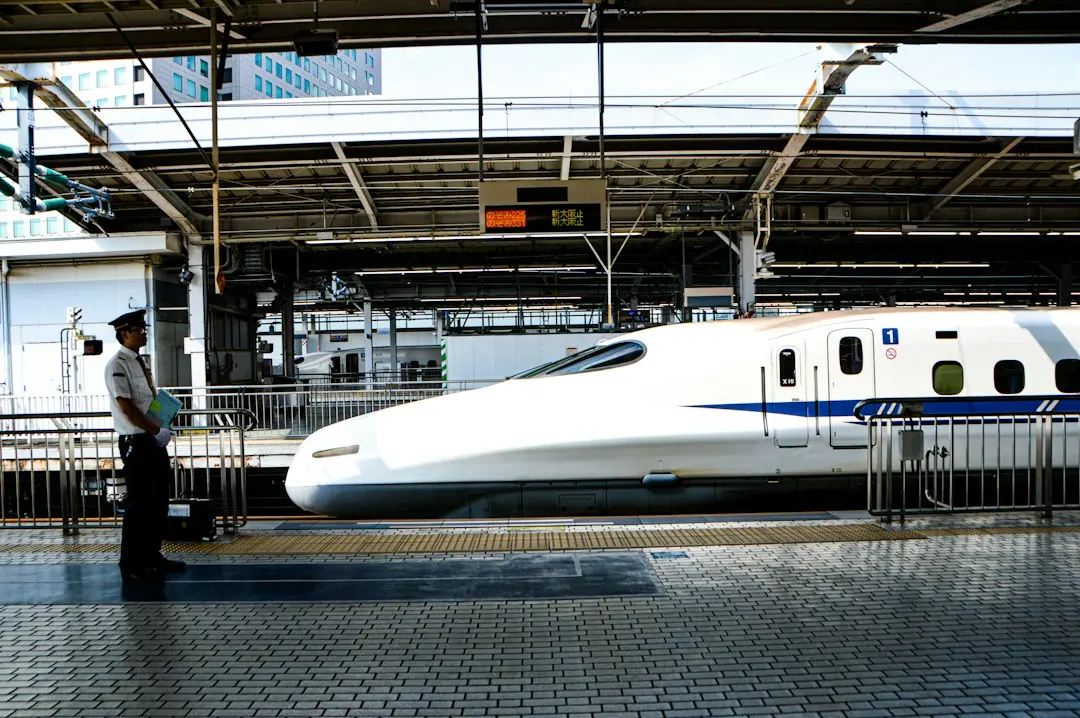
Public transportation in Japan is an engineering marvel. Trains arrive within seconds of scheduled timetables. Stations are immaculately clean, and staff are unfailingly polite.
Do not buy individual paper tickets for every subway ride. Instead, set up a digital IC card (such as Suica or Pasmo) directly on your smartphone wallet before you fly. You can load funds instantly with Apple Pay or your credit card.
To enter train turnstiles, simply tap your phone against the reader. You can also use your IC card to pay for vending machine drinks, lockers, convenience store meals, and taxi fares across the entire country.
If you plan to ride the Shinkansen bullet train between Tokyo and Kyoto, book your seats in advance via the official SmartEX mobile app. This app lets you link your high-speed tickets directly to your digital IC card.
The Konbini Dining Miracle
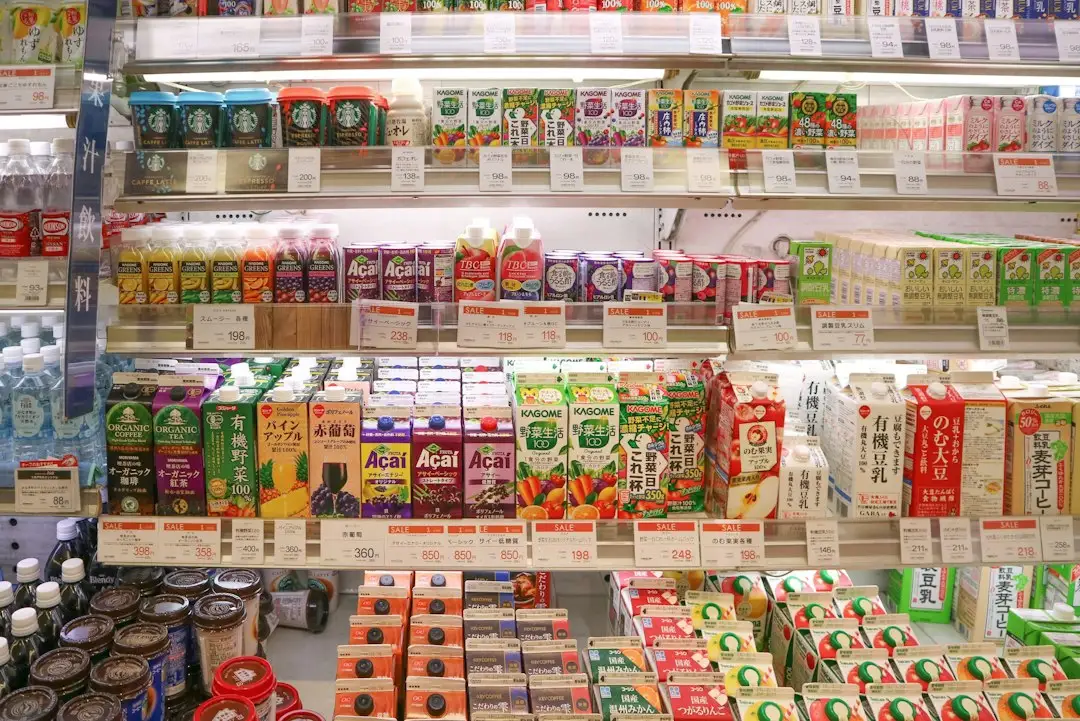
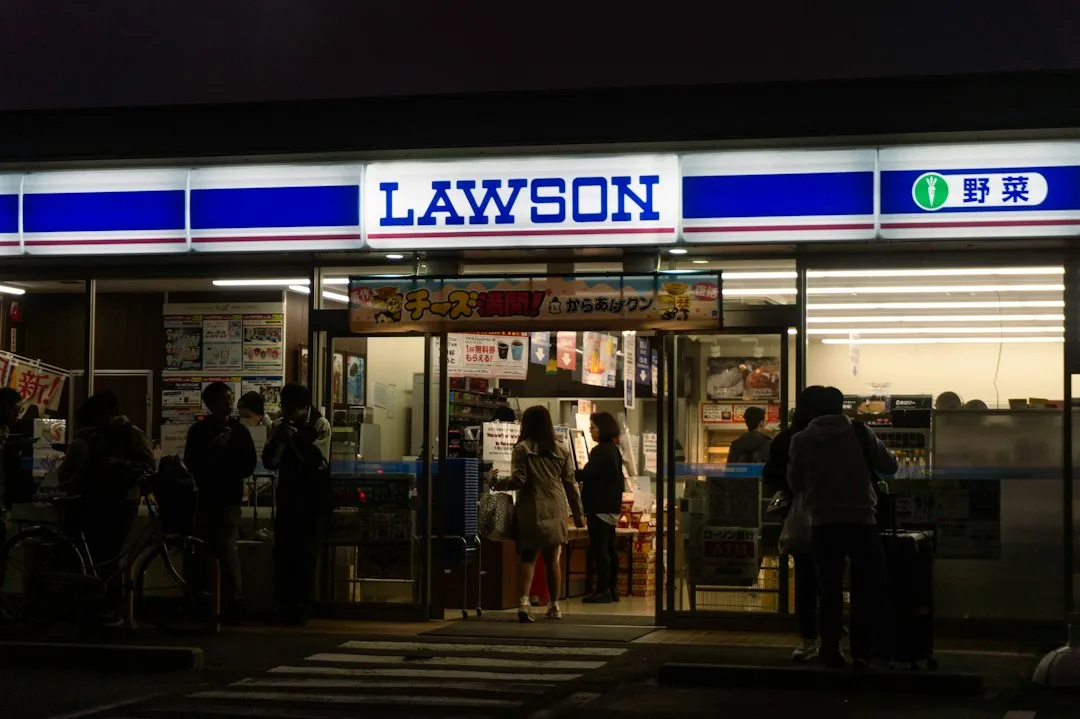
Food in Japan is exceptional at every price point. Even the most humble convenience store, known locally as a konbini, serves restaurant-grade meals. Chains like 7-Eleven, Lawson, and FamilyMart are culinary destinations in their own right.
For breakfast, grab a warm salmon onigiri (€1.10), a steamed pork bun, and hot boss coffee from the heated shelf. For lunch, pick up a chicken katsu sando or a fresh soba noodle bowl for under $4. Store clerks will happily heat your food and provide chopsticks and napkins.
Dining out in sit-down restaurants is equally accessible. Many casual ramen, udon, and curry shops use automated ticket vending machines at the entrance. Insert your cash, press the button with the picture of your meal, and hand the printed paper ticket to the chef.
What Usually Happens in Real Life
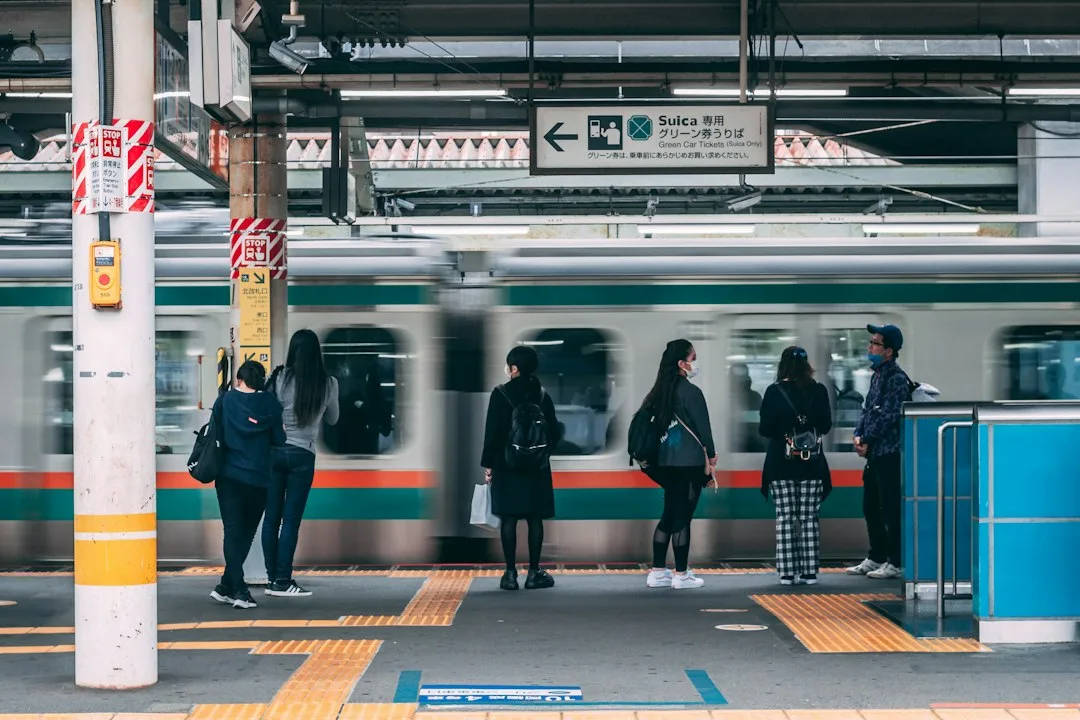
First-time visitors often haul giant rolling suitcases through Tokyo Station. That quickly turns into an exhausting ordeal.
During morning rush hours, stations pack with hundreds of thousands of commuters walking with purposeful speed. Finding elevators in multi-level underground complexes can require long detours. Carrying bulky suitcases up steep flights of stairs will test your patience.
In addition, Shinkansen trains have strict rules regarding oversized baggage. Bags with combined dimensions over 160 cm require special reserved storage seats, which sell out days in advance.
What Most People Overlook: Luggage Forwarding
The top secret in Japan is luggage forwarding, known as Ta-Q-Bin. Services like Yamato Transport deliver bags between hotels reliably.
When moving from Tokyo to Kyoto, do not haul your luggage on the bullet train. Hand your large bags to your Tokyo hotel front desk in the morning. Fill out a simple one-page voucher. For roughly $15 to $20 per bag, they will deliver your luggage directly to your Kyoto hotel lobby by the next day.
You can spend that travel day carrying only a small daypack. Stop in picturesque mountain towns like Hakone or Kamakura along the way, completely unburdened by heavy baggage.
Another overlooked detail is trash disposal. Public trash cans are virtually nonexistent on Japanese streets. Locals carry small bags in their daypacks for trash. You dispose of it back at your hotel or at convenience stores.
Common Mistakes Beginners Make
- Walking while eating or drinking: In Japan, eating while strolling down the street is considered poor manners. Consume snacks beside the vending machine or inside the shop where you bought them.
- Talking loudly on trains: Japanese train cars are serene and quiet. Set your smartphone to silent mode and avoid answering phone calls while on board.
- Attempting to tip restaurant staff: Tipping does not exist in Japan and can cause genuine confusion or embarrassment. Excellent service is considered a baseline professional duty.
- Carrying zero cash: While cards are widely accepted in cities, traditional ramen shops, temple entrance gates, and gashapon toy machines require physical Japanese yen coins.
- Wearing difficult lace-up shoes: You will remove your shoes frequently when entering temples, traditional restaurants, and ryokan guesthouses. Wear comfortable slip-on walking shoes.
- Ignoring pocket Wi-Fi or eSIM setup: Finding the right train station exit requires real-time mapping. Install a data eSIM on your smartphone before departure.
Etiquette in Japanese Onsen Hot Springs
Visiting a traditional Japanese hot spring bath is an essential cultural experience. Wash your entire body thoroughly at the seated wash stations before entering the mineral water pools.
Hot springs require bathers to enter completely unclothed. Swimsuits are strictly forbidden in communal baths. Keep your small modesty towel on your head or beside the pool, never submerged in the water.
Always bow slightly when thanking shopkeepers, hotel staff, or train conductors. This small gesture of respect is deeply appreciated across Japan.
Frequently Asked Questions
.
Is the JR Pass still worth buying for a two-week trip?
Following substantial price increases, the nationwide JR Pass is rarely worth the cost for standard itineraries like Tokyo to Kyoto and Osaka. Purchasing individual point-to-point Shinkansen tickets is usually much cheaper.
Do I need to speak fluent Japanese to travel comfortably?
No. Major transit signs, announcements, and restaurant menus feature clear English translations. Translation apps easily bridge any remaining communication gaps.
How early should I book popular attractions like TeamLab or the Ghibli Museum?
Book tickets online several weeks or months in advance. Iconic attractions like Ghibli Museum and Shibuya Sky release tickets on specific monthly schedules and sell out rapidly.
Are credit cards widely accepted in Japan?
Major credit cards work at hotels, department stores, and convenience stores. However, carrying around 10,000 to 20,000 yen in cash ensures you never get stuck at small cash-only stalls.