
Boarding a fourteen-hour flight across the Pacific or Atlantic in an economy seat can fill even seasoned travelers with dread. You face cramped legroom, dry recirculated cabin air, engine drone, and crying babies.
Yet international flights do not have to be an agonizing ordeal. Long-haul flight survival is not about luck; it is a tactical discipline.
With the right preparation before boarding and smart habits in the air, you can step off a long-haul flight feeling remarkably refreshed. Here is your battle-tested economy survival blueprint.
Strategic Seat Selection: SeatGuru and Aircraft Layouts
Your flight experience is determined largely by the seat you choose weeks before departure. Never let the airline randomly assign you a seat at check-in.
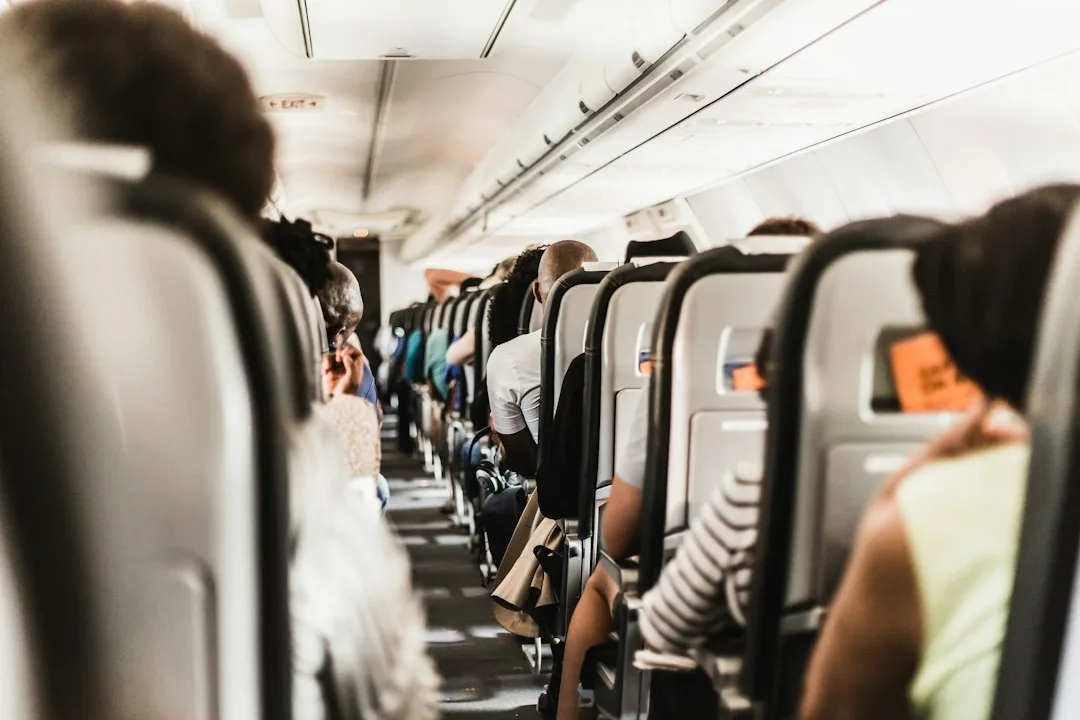
Consult aircraft seating databases like SeatGuru or aeroLOPA before selecting your seat. Look for hidden red flags:
- Seats with missing windows: Some window rows align directly with structural fuselage panels, leaving you staring at blank plastic walls.
- Seats with misaligned legroom: Entertainment equipment boxes mounted under certain seats can steal half your foot space.
- Last rows near galleys and lavatories: The final rows often feature limited seat recline, persistent toilet odors, and constant passenger congregating.
If you value uninterrupted sleep, pick a window seat so you can lean against the cabin wall without being disturbed by seatmates. If you prioritize bathroom access and leg stretching, choose an aisle seat.
The Cabin Dehydration Trap
Aircraft cabins operate at roughly 10% to 15% relative humidity. For comparison, the Sahara Desert averages 25% humidity. You lose moisture with every breath you take.
Dehydration causes dry eyes, headaches, fatigue, and severe jet lag. Relying on the flight attendant’s tiny three-ounce plastic water cups is wholly inadequate.
Bring a large 32-ounce empty insulated water bottle through security. Fill it at an airport hydration station before boarding. Drink a full bottle for every six hours in the air. Avoid alcohol and excess caffeine on board, as both act as diuretics that accelerate dehydration.
The Gear That Makes Economy Bearable
.
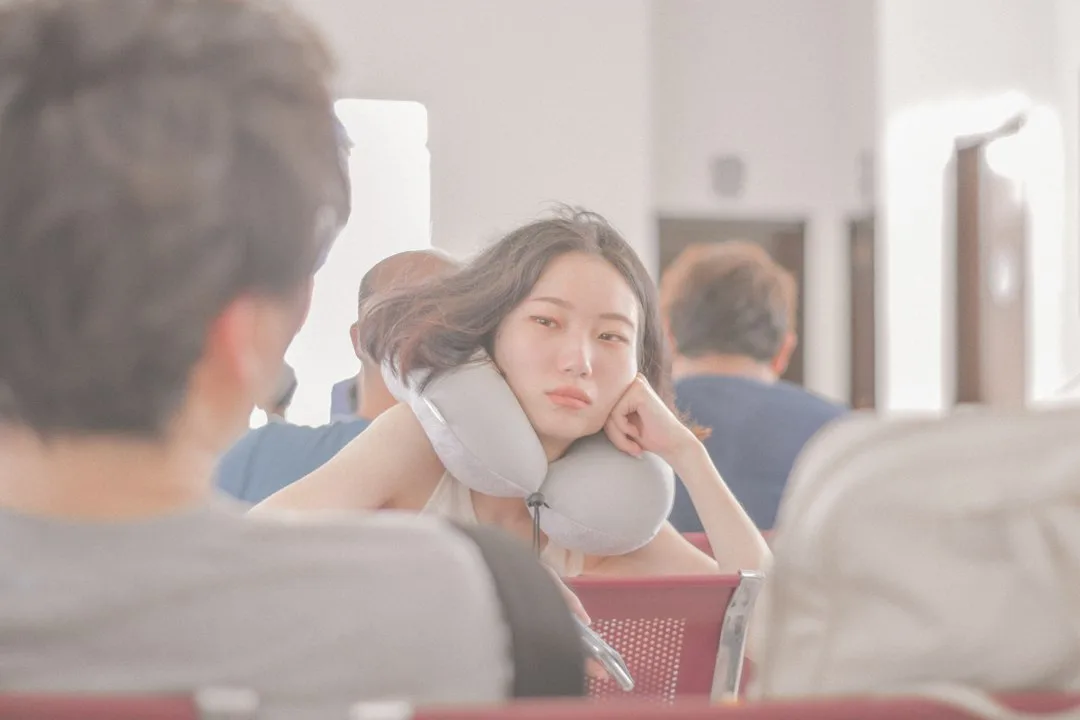
Pack an in-flight pouch inside your personal item bag. You avoid opening overhead bins during flight.
- Graduated Compression Socks: Sitting immobile for twelve hours causes blood to pool in your lower legs. Compression socks (15–20 mmHg) stimulate venous circulation, preventing swelling and reducing Deep Vein Thrombosis (DVT) risks.
- Active Noise-Canceling Headphones: Engine cabin noise averages 85 decibels, creating constant background cognitive fatigue. Noise-canceling headphones provide quiet mental sanctuary.
- A High-Density Contoured Eye Mask: Molded 3D eye masks do not press against your eyelids, allowing full REM sleep motion while blocking harsh cabin lights.
- Saline Nasal Mist and Moisturizing Eye Drops: A quick spray of saline nasal mist keeps mucous membranes hydrated, protecting you against airborne respiratory viruses.
What Usually Happens in Real Life
Travelers often board an evening flight and force themselves to sleep immediately. They take strong sleeping pills before the plane even takes off.
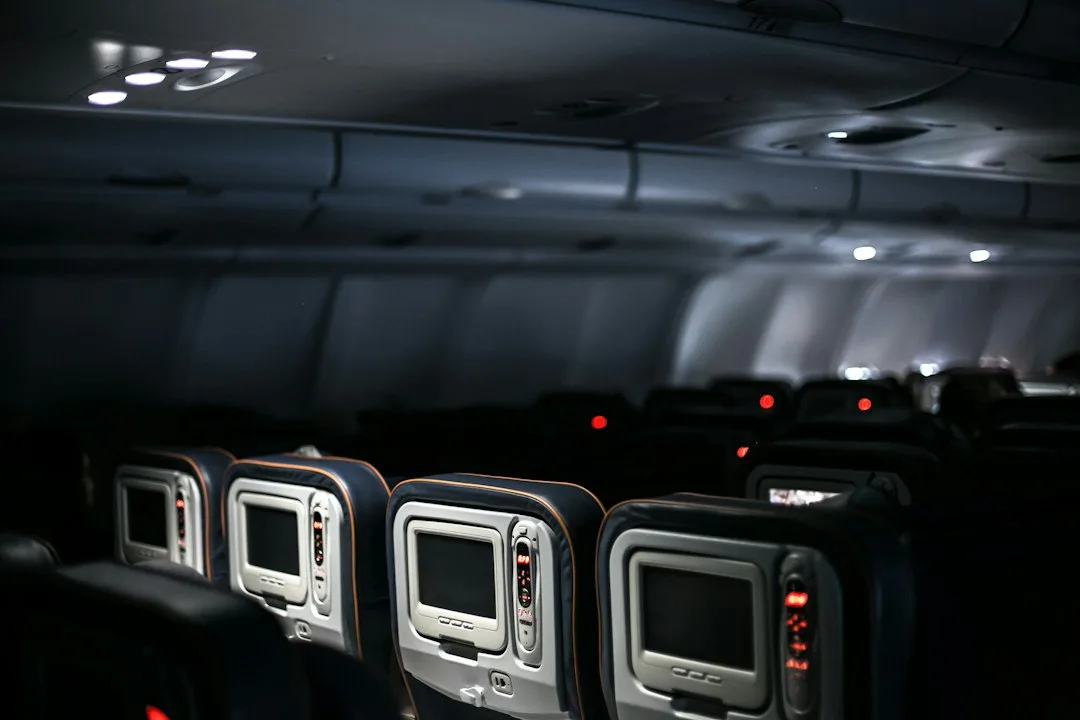
Here is what happens next. The seatbelt sign turns on, flight attendants turn on bright cabin lights to serve dinner, and meal carts rattle down the aisle. The traveler wakes up groggy, confused, and nauseous from the medication.
Align your schedule with your destination time zone the moment you sit down. If it is daytime at your destination, stay awake during the first half of the flight. Watch movies, read, and eat your meal. When nighttime arrives at your destination, put on your eye mask and sleep naturally.
What Most People Overlook: Moving and Stretching
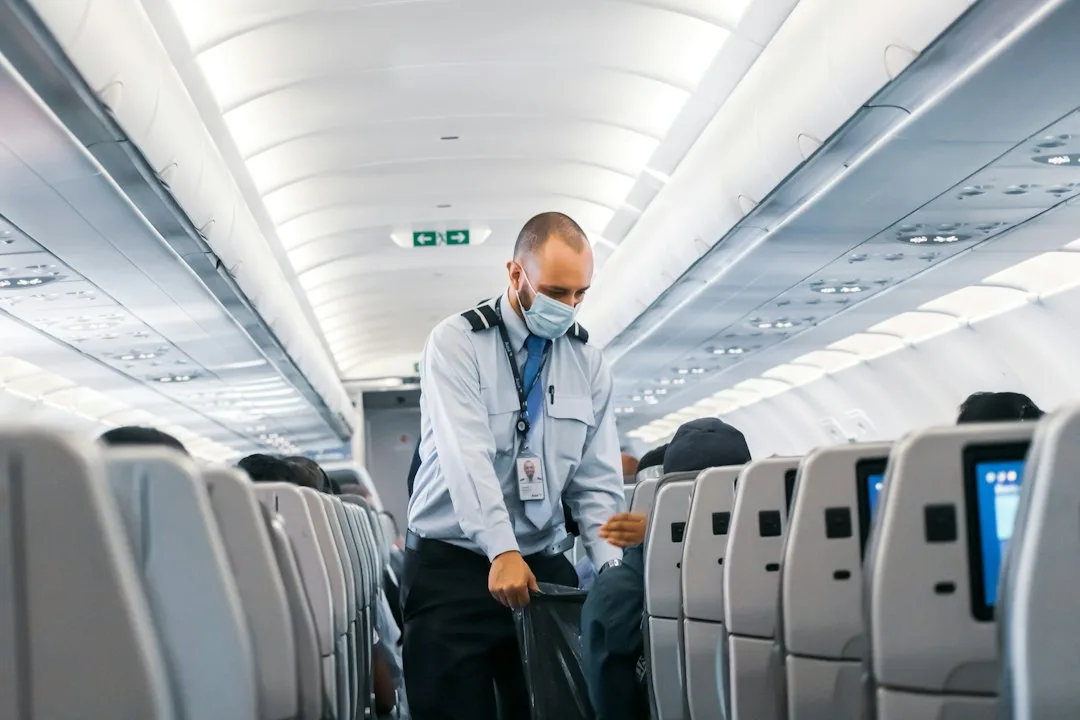
Sitting motionless for twelve hours locks your hip flexors and causes lower back spasms. Blood flow slows to a crawl.
Set a silent phone timer to chime every two hours while you are awake. Stand up, walk to the rear galley, and do gentle calf raises and quad stretches. Deep breathing and gentle movement re-oxygenate your bloodstream and keep energy high.
Even while seated, perform ankle circles, toe pumps, and shoulder rolls every hour. Small physical movements make a massive difference in how your joints feel upon landing.
Common Mistakes Beginners Make
- Wearing stiff, tight jeans: Tight waistbands compress internal organs during flight pressurization. Wear loose, stretchy athletic joggers or breathable travel pants with elastic waists.
- Eating heavy, salty airport meals: High-sodium fast food causes massive water retention and bloating at cruising altitude. Eat clean, light meals with fresh fruits and lean proteins before boarding.
- Removing shoes without putting on slippers: Airplane carpet floors are rarely disinfected. Walking to the airplane bathroom in bare feet or socks is unhygienic. Wear slip-on shoes or pack disposable slippers.
- Relying exclusively on seatback entertainment: Airline seatback screens frequently freeze or have broken headphone jacks. Always download several podcast episodes, audiobooks, and movies to your smartphone for offline entertainment.
- Skipping oral hygiene mid-flight: Brushing your teeth in the lavatory after eight hours makes you feel instantly human and refreshed. Pack travel-sized toothpaste and a toothbrush in your personal item pouch.
Selecting the Best Economy Blanket and Scarf
Airline cabin temperatures drop noticeably during overnight oceanic crossings. Thin synthetic airline blankets offer minimal warmth against cold drafts.
Wear a large cashmere or merino wool travel wrap. It serves as an elegant scarf during transit and doubles as a warm, cozy blanket in flight.
Frequently Asked Questions
.
Should I take melatonin on long-haul flights?
A small dose of melatonin (1 to 3 mg) taken thirty minutes before your planned sleep window can help signal your brain to rest. Avoid high-dosage prescription sleeping pills that leave you disoriented during transit.
Is it better to choose an aisle or window seat on long flights?
Choose a window seat if you want uninterrupted sleep without passengers climbing over you. Choose an aisle seat if you have long legs, need frequent bathroom trips, or experience claustrophobia.
How do I prevent my ears from hurting during descent?
Pressure changes cause ear pain during landing. Swallow frequently, chew gum, or use specialized pressure-regulating earplugs (like EarPlanes) to equalize middle ear pressure gently.
Can I ask flight attendants for extra snacks or water?
Yes. On international long-haul flights, airlines set up self-service water pitchers and snack baskets in the galleys between meal services. Walk back and help yourself quietly.