


Travelers constantly debate whether to visit Savannah, Georgia, or Charleston, South Carolina. They argue over which historic coastal city boasts prettier architecture, better restaurants, and richer southern charm.
The truth is simple: you do not have to choose. Savannah and Charleston sit just 105 miles apart along the scenic Lowcountry coastline, connected by a flat, easy two-hour drive.
Pairing these sister cities into a single long-weekend road trip delivers the ultimate coastal southern escape. Here is our field-tested 3-day itinerary.
Day 1: Savannah’s Shady Squares and Ghost Lore

Fly into Savannah/Hilton Head International Airport (SAV). Check into a historic bed-and-breakfast or a riverfront boutique hotel (like The Alida).
Savannah is laid out on General James Oglethorpe’s brilliant 1733 grid system, centered around twenty-two lush garden squares. Giant live oak trees drape thick curtains of gray Spanish moss over marble monuments and cast-iron park benches.
Stroll down Bull Street to Forsyth Park. Admire the iconic 1858 Parisian fountain. Savannah permits open alcoholic beverages in plastic cups throughout its historic district. Grab a cold mint julep or craft beer and stroll peacefully through the squares.
In the evening, take a historic ghost walking tour through colonial cemeteries. For dinner, book a table at The Grey, Chef Mashama Bailey’s James Beard Award-winning restaurant housed inside a restored 1938 Art Deco Greyhound bus terminal.
Day 2: Driving the Lowcountry via Beaufort


Leave Savannah in the morning and head north into South Carolina along Highway 17. Do not speed down the interstate; take the scenic coastal bypass through Beaufort (pronounced BYOO-fert).
Beaufort is a gorgeous coastal town resting on Port Royal Island. Antebellum mansions line the salt marsh waterfront. It served as the filming location for famous movies like Forrest Gump and The Big Chill.
Eat a classic Lowcountry lunch of fried green tomatoes and blackened catfish po’boys on the marina boardwalk. In the afternoon, continue one hour north to arrive in historic Charleston.
Day 3: Charleston’s Grandeur and Culinary Magic
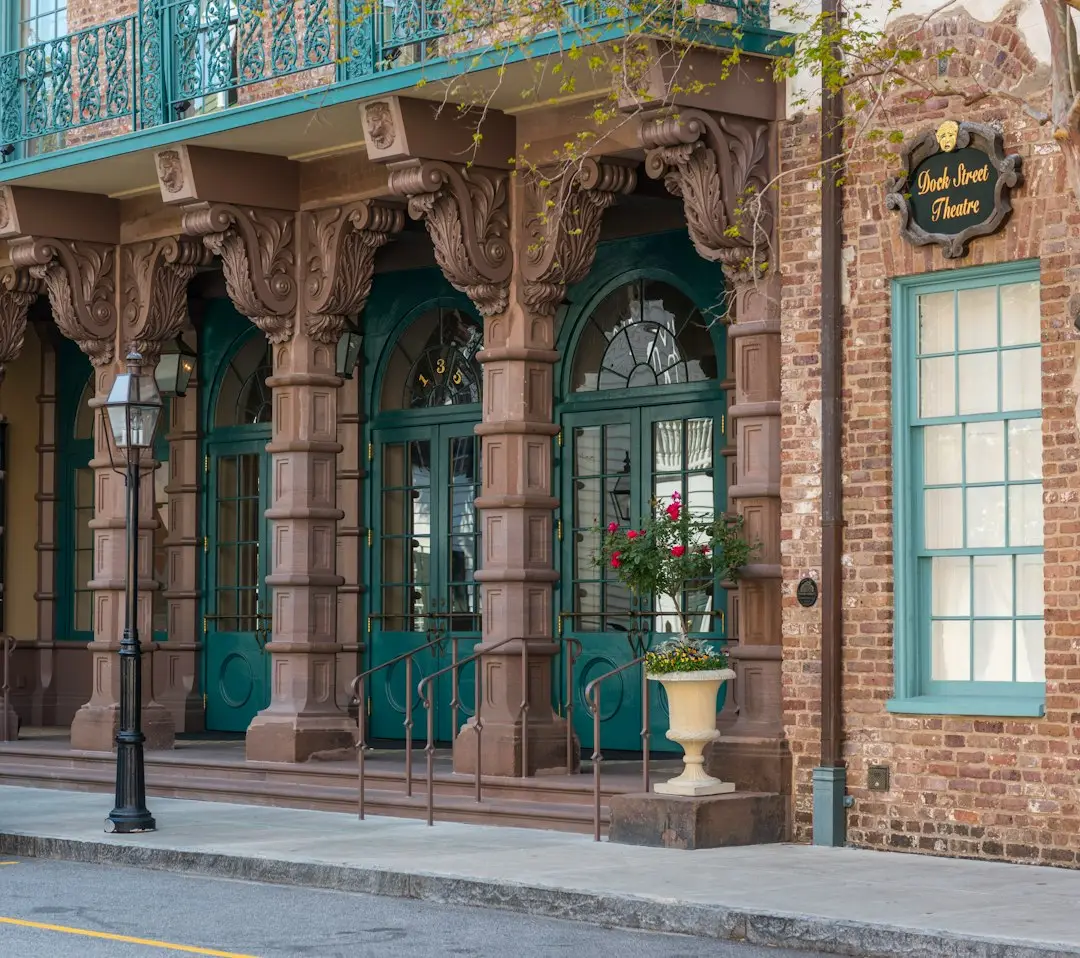
Charleston is stately, grand, and meticulously preserved. Where Savannah feels gothic and eccentric, Charleston feels refined and aristocratic.
Wake up early and walk down to Rainbow Row on East Bay Street to photograph the pastel-painted 18th-century merchant houses in morning light. Continue to The Battery promenade, where historic cannons overlook Fort Sumter in the harbor.
Shop for sweetgrass baskets handmade by Gullah artisans at the historic Charleston City Market. In the afternoon, tour the Nathaniel Russell House to marvel at its free-flying cantilevered spiral staircase.
Finish your weekend with an unforgettable dinner at Husk or FIG. Lowcountry cooking shines here with stone-ground grits, Carolina gold rice, and sweet local blue crab.
What Usually Happens in Real Life

Travelers often try to drive their rental cars inside Charleston’s historic French Quarter. That quickly leads to parking headaches and narrow-street gridlock.
Both Savannah and Charleston are designed for walking. Streets are flat, shaded, and pedestrian-friendly. Park your car in a downtown municipal garage upon arrival and explore on foot or via historic pedicabs.
Additionally, remember that summer humidity in the Lowcountry is intense. Visiting in July or August brings 95-degree heat and afternoon thunderstorms. The sweet spot is March to May, when azaleas and wisteria burst into bloom.
What Most People Overlook: Tybee Island and Folly Beach
.

Many travelers focus entirely on historic architecture. They forget that world-class beaches sit twenty minutes away.
If you want sea breezes, add a morning detour to Tybee Island near Savannah to climb Georgia’s oldest and tallest lighthouse. Near Charleston, Folly Beach offers laid-back surf shacks, dolphin watching, and ocean piers.
Also, don’t miss sampling traditional Gullah Geechee dishes. Authentic Lowcountry red rice and slow-simmered collards cooked with smoked ham hocks carry centuries of profound West African culinary heritage.
Common Mistakes Beginners Make
- Mispronouncing town names: In South Carolina, Beaufort is pronounced “BYOO-fert.” In North Carolina, the town with the same spelling is pronounced “BOH-fert.” Locals notice the difference immediately.
- Wearing uncomfortable dress shoes on cobblestones: Historic alleys like River Street in Savannah and Chalmers Street in Charleston use rough ship ballast stones. Wear supportive flat walking shoes.
- Booking hotels outside the historic core: Staying in suburban highway motels to save $30 ruins the magic. Stay within walking distance of the historic squares.
- Skipping ghost tours in Savannah: Savannah is widely considered one of America’s most haunted cities. Even skeptics enjoy the rich local storytelling and midnight history.
- Ignoring parking restrictions: Savannah street sweepers clean alternate sides of squares on scheduled nights. Pay close attention to street cleaning signs to avoid towing.
Visiting Historic Plantations Responsibly
Along the Ashley River near Charleston sit historic estate grounds like Magnolia Plantation and Middleton Place. Middleton Place features America’s oldest landscaped gardens.
Take the guided “Beyond the Fields” slavery tour at historic sites. Learning about the enslaved Gullah Geechee laborers provides essential historical context to the region’s prosperity.
Exploring Savannah’s Historic Bonaventure Cemetery
Before leaving Savannah, make the short ten-minute drive east to historic Bonaventure Cemetery. Located along the Wilmington River, the cemetery was made famous by John Berendt’s book.
Massive live oaks draped in Spanish moss shade ornate Victorian funerary monuments, stone angels, and poet graves. It is a peaceful, hauntingly beautiful sanctuary.
Frequently Asked Questions
.
Which city is better for food, Savannah or Charleston?
Charleston holds more national culinary awards and high-end fine dining establishments. Savannah offers fantastic casual soul food, quirky neighborhood cafes, and relaxed pub culture.
Can I do this road trip in reverse (Charleston to Savannah)?
Yes. The drive between the two cities takes just two hours. Booking multi-city flights (fly into Savannah and fly home from Charleston) eliminates backtracking.
What is the best month to visit Savannah and Charleston?
April and October offer the best weather. April features blooming flowers and pleasant 75-degree days, while October offers comfortable autumn breezes and lively food festivals.
How many days do I need for both cities?
Three to four days is the perfect long-weekend window. Spend 36 hours in Savannah, enjoy a relaxed driving day through the Lowcountry, and spend 36 hours in Charleston.