


Disclosure: This article contains honest recommendations based on our real-world travel testing. We may earn a small affiliate commission at no extra cost to you if you purchase through our links.
Travel brochures always showcase destinations under cloudless blue skies. In real life, rain happens. Whether you are walking through the misty Scottish Highlands, exploring Seattle, or navigating London in November, wet weather is part of travel.
Bad weather does not need to ruin your vacation. With the right gear strategy, walking through rainy historic cities or foggy mountain paths can feel magical and serene.
The secret lies in technical fabric choices and smart layering. Here is how to pack for rainy destinations without turning your suitcase into a soggy mess.
The Golden Rule: Say Goodbye to Cotton

The single biggest mistake travelers make in wet climates is wearing heavy denim jeans and cotton sweatshirts. Cotton is hydrophilic, meaning it absorbs water like a sponge.
Once cotton gets soaked, it holds water next to your skin. It takes twelve hours to dry in a hotel room and strips body heat rapidly, leaving you shivering. In outdoor survival circles, hikers say: “Cotton kills.”
Replace cotton with technical synthetic fabrics or merino wool. Merino wool regulates body temperature, wicks moisture away, and retains insulating warmth even when damp. Synthetic nylon and polyester fabrics shed water and dry within two hours.
The Three-Layer Weather Defense System
Do not pack one giant heavy winter coat for wet weather. Instead, use a modular three-layer system that you can adjust throughout the day:
- 1. The Base Layer: A lightweight merino wool or synthetic crew-neck shirt. This wicks perspiration away from your skin as you walk.
- 2. The Mid Layer: A breathable fleece pullover or a packable ultralight down jacket. This traps warm air to insulate your core.
- 3. The Outer Shell: A breathable, fully waterproof rain jacket with taped seams and an adjustable hood. Brands with Gore-Tex or proprietary membranes (like Patagonia Torrentshell or Columbia OutDry) block rain completely while letting sweat vapor escape.
Footwear Strategy: Keeping Feet Dry and Blister-Free
Nothing ends a sightseeing day faster than cold, squelching wet socks. Once your feet get wet, skin softens, and friction blisters form within an hour.
Pack shoes treated with waterproof membranes or apply durable water repellent (DWR) spray before your trip. Waterproof trail running shoes or leather Chelsea boots with rubber lugs offer excellent traction on slick cobblestones and wet subway grates.
Pair your shoes with lightweight merino wool socks (such as Darn Tough). Merino wool naturally prevents odor and cushions your feet even when moisture enters the shoe.
What Usually Happens in Real Life
When unexpected rain hits, unprepared tourists rush to street souvenir stands to buy cheap plastic ponchos or $5 umbrellas. That decision immediately backfires.
Disposable clear plastic ponchos act like wearable greenhouse bags. They trap your body heat, making you sweat profusely underneath. The plastic tears against backpack straps, leaving you damp and sticky.
Cheap umbrellas are even worse. The first strong gust of wind in an open plaza snaps the thin metal ribs, turning the umbrella inside out. You end up wrestling with broken metal before throwing it into a street bin.
What Most People Overlook: Internal Pack Protection
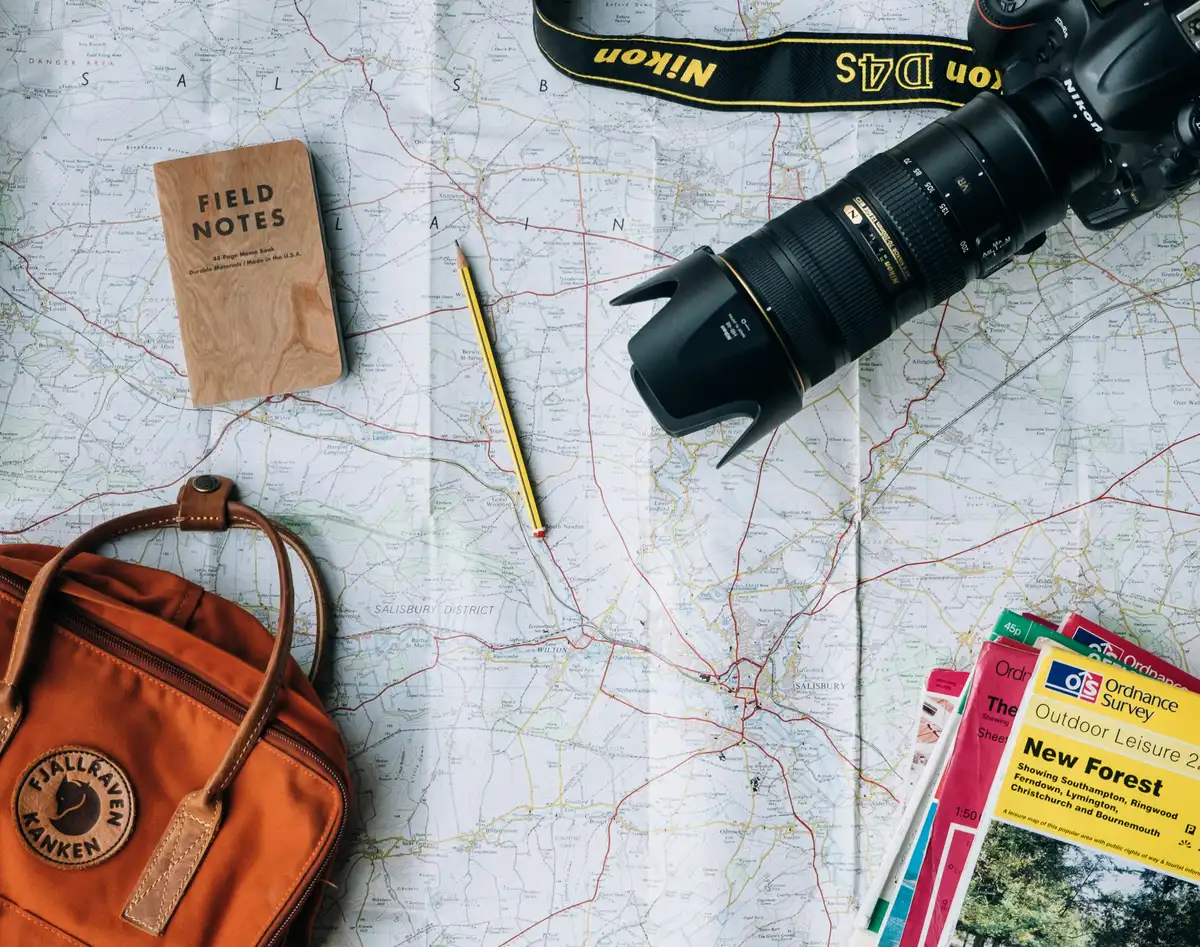
Most travelers assume their backpack is waterproof. While most travel daypacks are water-resistant, water will seep through zippers and seams during steady downpours.
Protect your gear from the inside out. Line the interior of your backpack with an ultralight roll-top dry bag or a simple silicone dry sack. Keep your passport, camera gear, and battery bank inside this sealed sleeve.
Pack a compact microfiber travel towel in an outer pocket. When entering cafes or museums, a quick wipe down of your jacket and camera lens prevents water from dripping onto indoor floors.
Common Mistakes Beginners Make
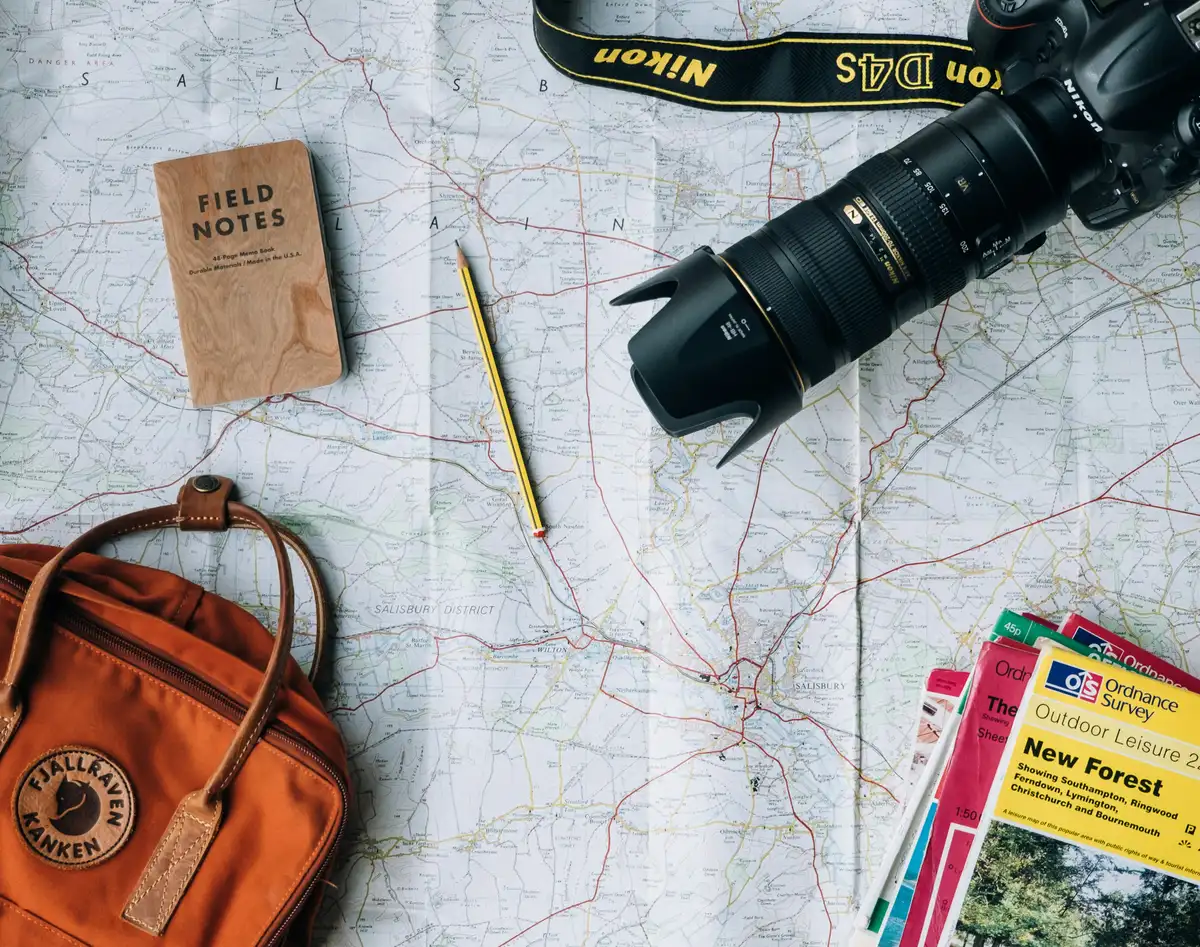
- Packing heavy rubber rain boots: Tall rubber rain boots are heavy, rigid, and terrible for walking eight miles across a city. Stick to supportive waterproof walking shoes.
- Forgetting an umbrella with a vented canopy: Windproof umbrellas feature overlapping fabric vents that let wind pass through without flipping the canopy.
- Drying wet shoes over direct heaters: Placing wet leather shoes directly on hot radiators can crack the leather and melt adhesives. Stuff wet shoes with dry newspaper or paper towels to absorb moisture overnight.
- Skipping waterproof phone pouches: Modern phones resist water splashes, but persistent rain into charging ports disables wired charging for hours. Keep a small ziplock bag handy for phone protection.
- Neglecting a pack cover: A high-visibility waterproof rain cover slips over your backpack in seconds, keeping outer pockets and water bottle sleeves bone dry.
Protecting Leather Accessories from Rain
If you carry a leather purse or leather wallet, apply beeswax or silicone leather protector spray before leaving home. Water stains on untreated leather can become permanent.
If leather gets wet, wipe it down gently with a dry cotton cloth. Let it air dry away from direct heat sources to preserve leather softness.
Keeping Your Daypack Dry in Persistent Fog
In coastal climates like Ireland or coastal Maine, dense ocean fog can soak fabrics without active rainfall. Pack a high-visibility rain cover for your bag.
These covers weigh two ounces, pack into a pouch the size of an egg, and keep morning dew off your pack.
Frequently Asked Questions
.
Is Gore-Tex really worth the extra money?
For destinations with persistent cold rain (like the Pacific Northwest, Iceland, or Scotland), Gore-Tex or high-end waterproof membranes are worth every penny. They keep water out while preventing you from overheating inside.
Can I wash technical waterproof jackets in hotel sinks?
Rinse mud and dirt off with cold water. Avoid harsh hotel bar soaps on technical membranes, as standard detergents can clog the microscopic pores of waterproof coatings.
What should I do if my only pair of travel shoes gets soaked?
Remove the insoles immediately. Stuff the shoes tightly with clean dry hand towels or crumpled newspaper. Place them in a ventilated area near an air conditioner fan, never in direct oven-like heat.
Are rain pants necessary for city travel?
For standard city sightseeing, rain pants are unnecessary. For rugged outdoor hiking or open-air boat tours, lightweight packable rain pants keep you comfortable during all-day exposure.