


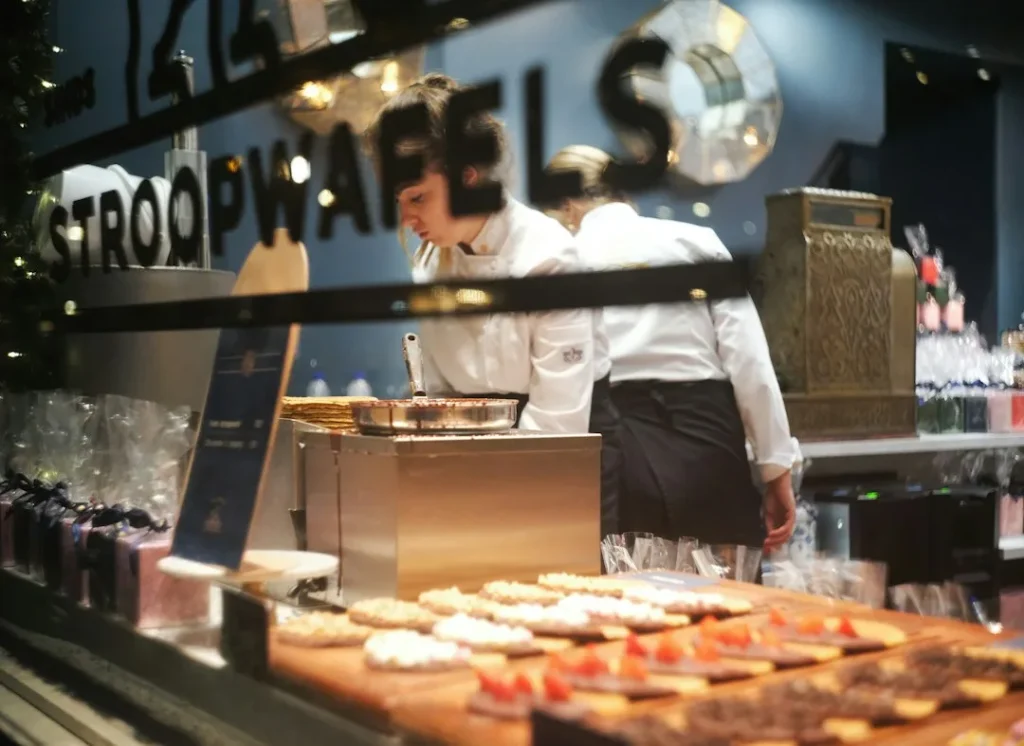
Food is the gateway to understanding foreign cultures. Yet many budget travelers mistakenly think saving money requires eating tasteless instant noodles or multinational fast-food burgers. That is a heartbreaking way to experience destinations like France, Spain, or Italy.
You can eat fresh, regional, mouthwatering meals across Europe on a modest budget of $35 per day. Doing so does not require extreme deprivation. It simply requires understanding how everyday Europeans feed themselves without spending small fortunes.
The Power of the Midday Set Menu

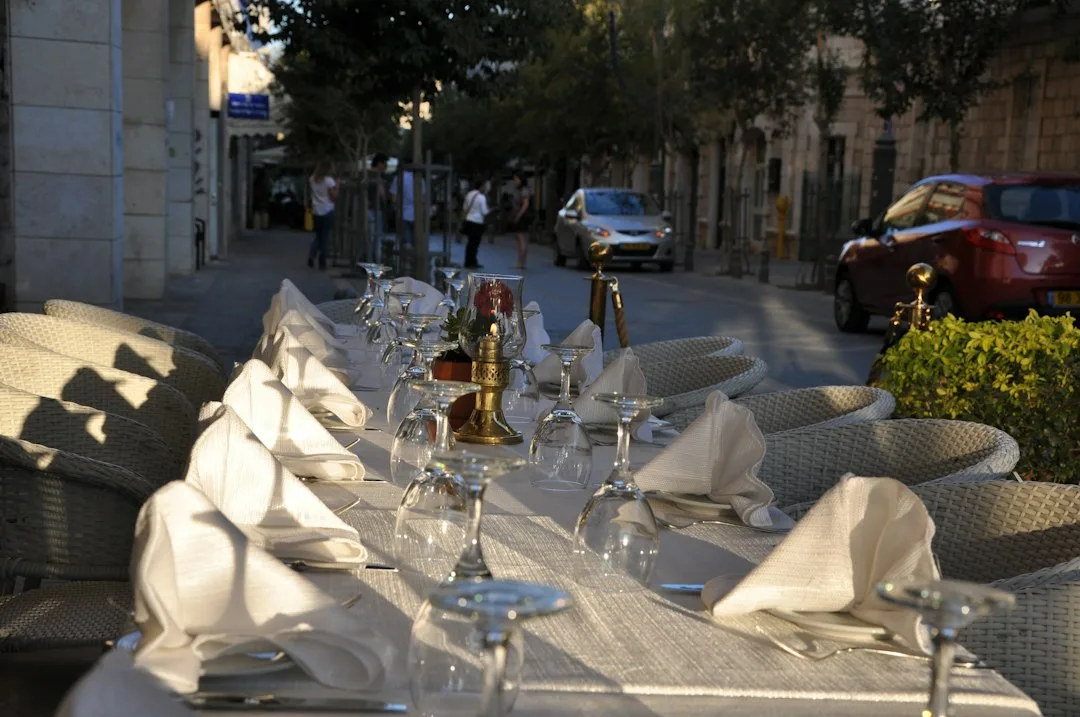
Europeans take their lunch hour seriously. Across Spain, Portugal, France, and Italy, restaurants serve fixed-price lunch deals for local workers. In Spain, this is the famous menú del día. In France, look for the formule du midi. In Italy, seek out the pranzo di lavoro.
For roughly €12 to €16 ($13 to $17), you receive a generous starter and a main course. The meal usually includes fresh bread, dessert, and house wine. The exact same dishes served at 8:30 PM will cost double or triple a la carte.
Make lunch your primary cooked meal of the day. You dine in sit-down comfort when kitchen energy is peak. By evening, your appetite will be smaller, making a light meal both physically satisfying and financially gentle.
In our field tests in Madrid, a €14 lunch menu included garlic soup, grilled sea bass with potatoes, flan, and a carafe of red wine. That single meal kept us energized until late evening.
Building the Park Picnic and Market Feast

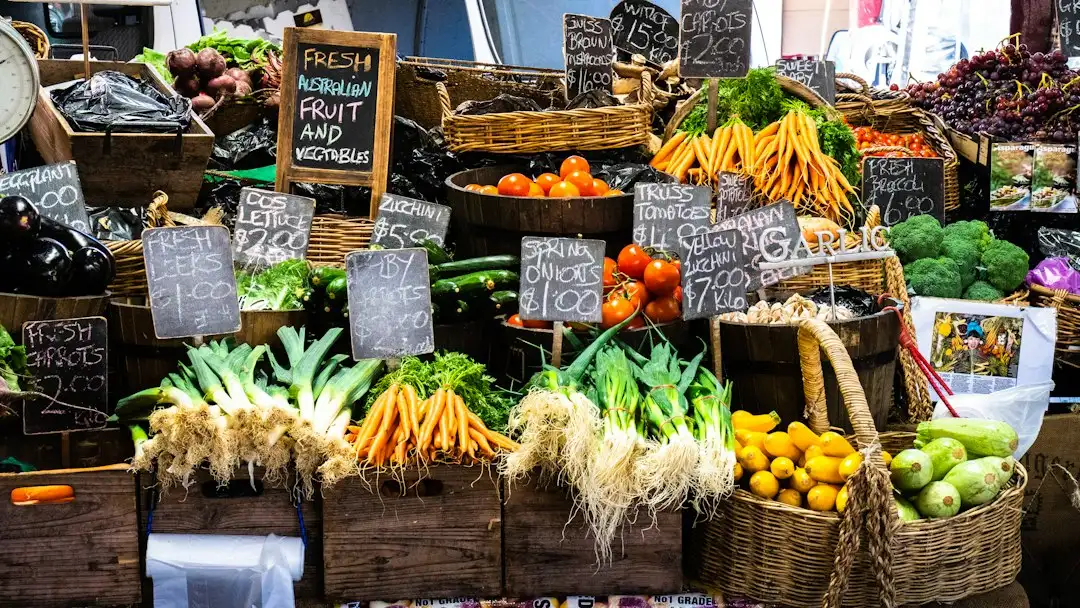
Europe boasts some of the finest covered food markets in the world. Places like the Mercado da Ribeira in Lisbon or Marché d’Aligre in Paris offer artisanal ingredients at wholesale prices. For €8, you can assemble a magnificent picnic.
Head to a local baker for a fresh baguette (€1.20). Stop by the cheese monger for a wedge of aged Comté or Manchego (€3.00). Pick up ripe local figs or heirloom tomatoes and a handful of olives (€3.50). Find a sunny bench in a public park, by a canal, or overlooking a historic plaza.
You get an outdoor dining experience superior to most crowded cafes. Best of all, you taste ingredients produced by small regional farmers rather than commercial restaurant suppliers.
Pack a compact pocket knife and a lightweight reusable tote bag in your daypack. These two small tools turn any city square into a scenic outdoor dining room.
What Usually Happens in Real Life

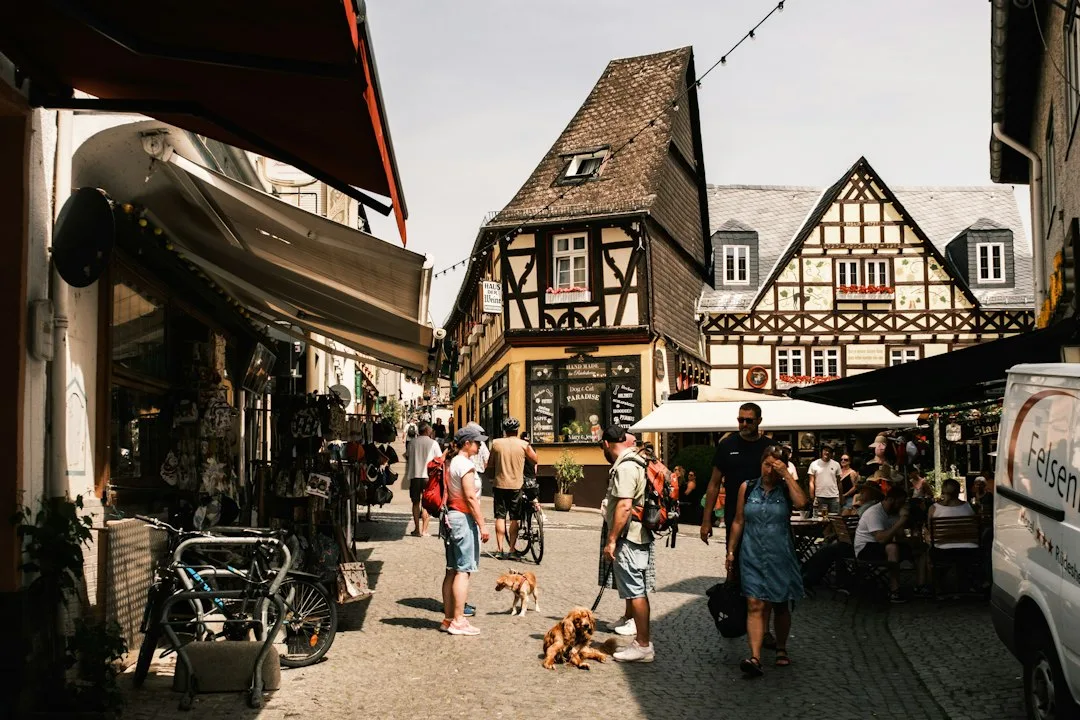
Most travelers start their day with clear budget intentions. Then exhaustion hits around 1:30 PM. Feet aching from museum tours, they collapse into the first cafe situated right beside the cathedral or monument.
Here is what happens next. The menus feature photographs printed in six languages. Waiters stand outside beckoning passersby. You order two ordinary pasta plates, a soda, and bottled water. The bill arrives with unexpected charges for bread, table settings, and inflated drink prices. You spent €65 on microwaved food.
In our testing, walking just four blocks away from major monuments drops food prices by 40%. Look down quiet residential side alleys. If you see neighborhood craftsmen, shopkeepers, or delivery drivers sitting inside, you found the right spot.
Locals do not eat where waiters wave printed laminated menus on sidewalks. They eat where the chalkboard is written by hand in the local language.
What Most People Overlook
Many first-time visitors overlook the standing bar culture. In Italy, drinking an espresso and eating a warm cornetto while standing at the marble counter costs about €2.50. If you sit at a table in the exact same establishment, the price can climb to €7.00 due to table service surcharges.
Take advantage of the aperitivo custom in northern Italy and Spain. Order a glass of wine or draft beer between 6:00 PM and 8:00 PM for €5 to €8. Bars will provide a complimentary buffet of focaccia, cured meats, pasta salads, and roasted vegetables. Two drinks can easily double as your evening meal.
In addition, tap water is safe and delicious across western Europe. Ordering branded bottled water at every meal adds $10 to your daily tab. Ask for a carafe of tap water in France (une carafe d’eau). Request tap water in Britain, Germany, and Spain without hesitation.
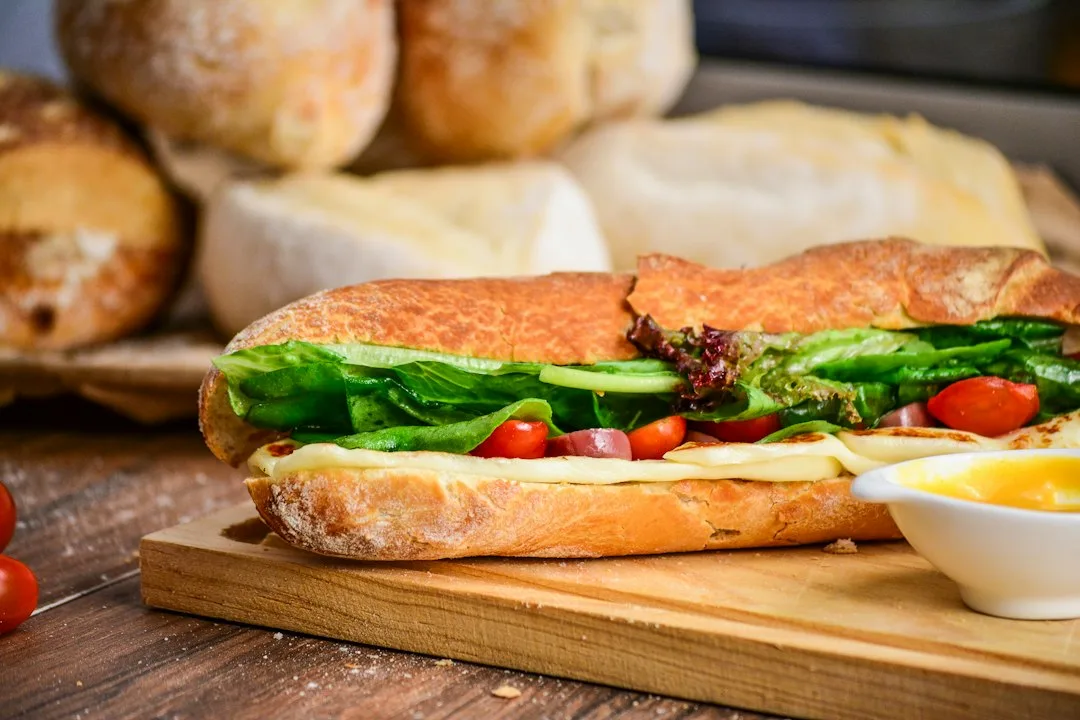
Another smart option is the neighborhood bakery sandwich counter. Italian alimentari and French boulangeries prepare fresh sandwiches daily on artisan bread. They cost between €4 and €6, beating restaurant prices easily.
Common Mistakes Beginners Make
- Paying for hotel breakfasts: Hotel buffets frequently charge $22 per person for rubbery eggs and stale cereal. Skip it and visit a neighborhood cafe for fresh pastries and coffee for $4.
- Ignoring the “Coperto” or bread fee: In Italy and Portugal, baskets of bread, butter, and olives placed on your table are not free gifts. If you do not want them, politely decline immediately to avoid unexpected line items.
- Buying bottled beverages at convenience stores: Carrying an insulated water bottle and refilling it at public drinking fountains saves $5 to $8 every single day.
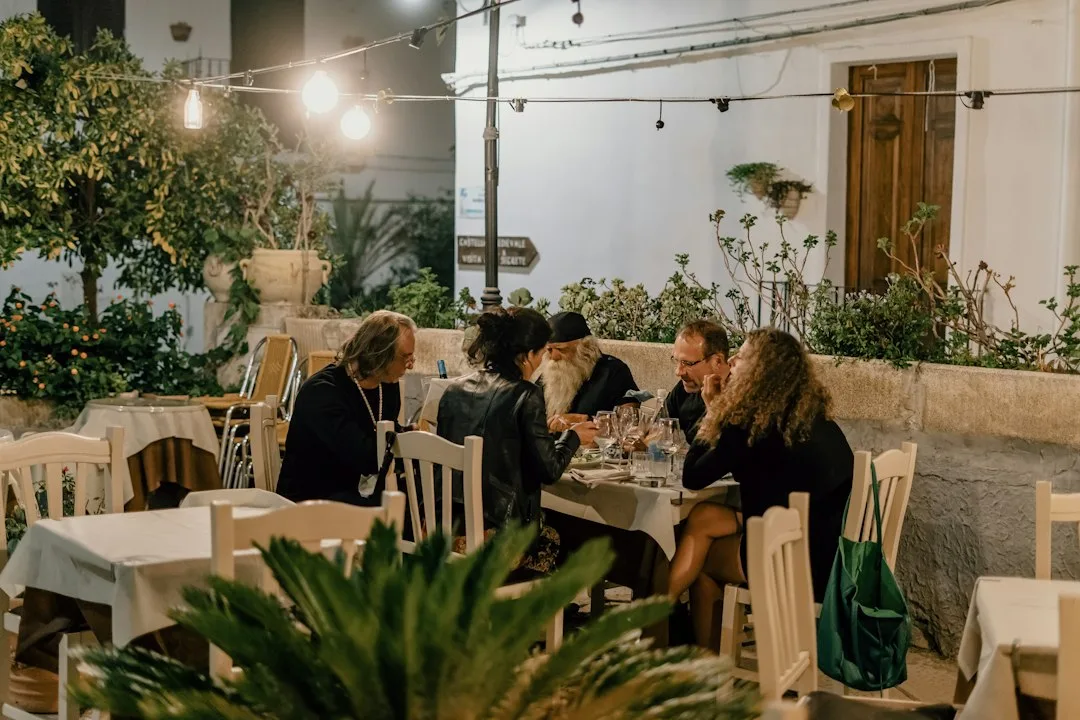
- Dining too early in southern Europe: Authentic local restaurants in Spain rarely open before 8:30 PM. Any establishment serving dinner at 5:30 PM is exclusively catering to tourists with higher prices and lower quality.
- Overlooking grocery store prepared meals: European supermarkets like Monoprix or Mercadona sell gourmet salads, rotisserie chicken, and chilled gazpacho for under €5.
- Ordering imported brand-name sodas: A single can of American cola can cost €5 at European cafes. Drink house wine, local draft beer, or sparkling water instead.
Frequently Asked Questions
Is street food safe to eat in European cities?
Street food in Europe is subject to strict hygiene standards. High-turnover spots selling doner kebabs in Berlin, arancini in Sicily, or crepes in Paris are clean, delicious, and remarkably cheap.
Can I find vegetarian or vegan options on a budget?
Yes. Mediterranean cuisine relies heavily on lentils, chickpeas, roasted vegetables, and grains. Ordering dishes like Spanish tortilla, Italian pasta e fagioli, or Greek briam provides rich nutrition without meat surcharges.
Do I need to tip 20% like in North America?
No. Service charges are legally included in European restaurant prices. Leaving small pocket change or rounding up a bill by €2 to €4 for attentive sit-down service is standard practice. Never calculate large percentage tips.
How do I decode foreign menus without speaking the language?
Use the Google Translate camera feature on your smartphone. It instantly translates chalkboards and printed menus into English. You can read daily specials with complete confidence.