


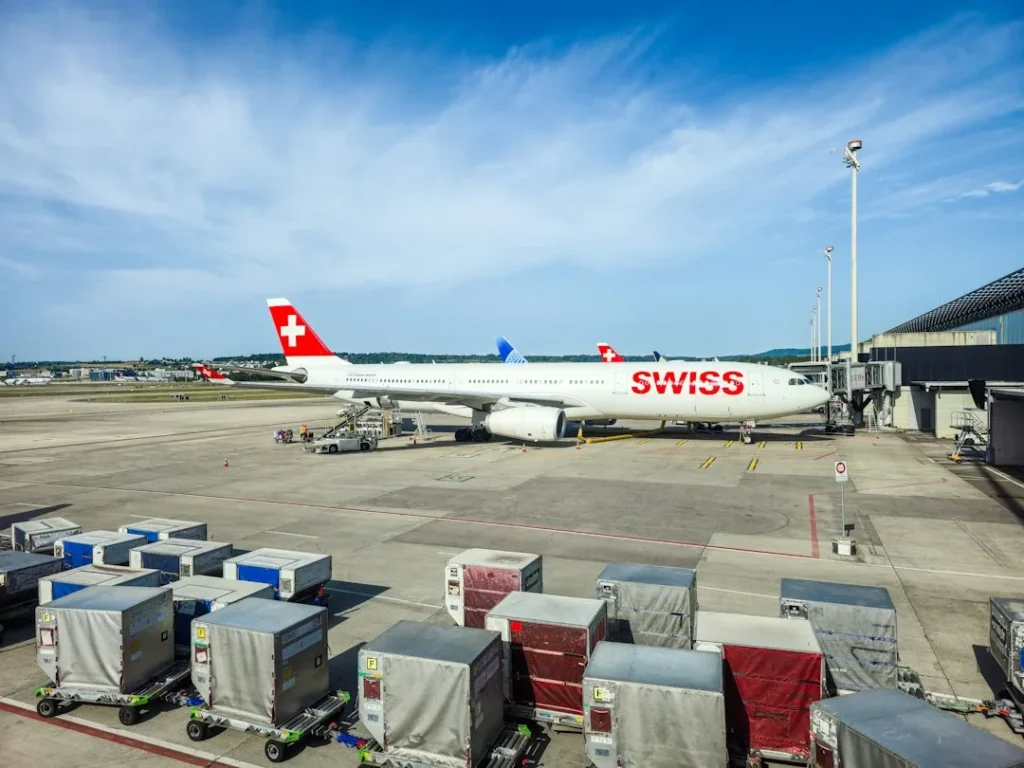
Seeing a European or domestic flight advertised for $29 feels like a miracle. You immediately imagine spontaneous weekend getaways across capitals. But experienced flyers know that budget carriers do not sell transportation. They sell low entry tickets and profit from punishing penalties.
Airlines like Ryanair, Wizz Air, Spirit, and Frontier generate up to 50% of their total revenue from ancillary fees. If you understand their playbook, you can consistently fly for genuine rock-bottom rates without paying a single extra dime.
The Personal Item Sizer Box Trap

Gone are the days when a standard carry-on suitcase was included in your base fare. Today, the lowest ticket tier permits only one small personal item that must fit beneath the seat in front of you.
Budget carriers deploy rigid metal sizer boxes at boarding gates. If your backpack protrudes by an inch, gate agents will stop you. Because many contract gate agents receive bonuses for catching oversized bags, leniency is rare.
Paying for a carry-on during initial booking might cost $28. If you get caught at the gate, that same bag fee can skyrocket to $75 or $90. Use a soft-sided 28-liter backpack with compression straps. Soft bags squeeze into metal sizers, whereas hard-shell cases fail instantly.
Wear your bulkiest layers onto the airplane. Put on your heavy jacket, sweater, and walking boots during boarding. Once seated, you can take off your jacket and place it comfortably on your lap.
The Airport Check-in and Boarding Pass Penalty

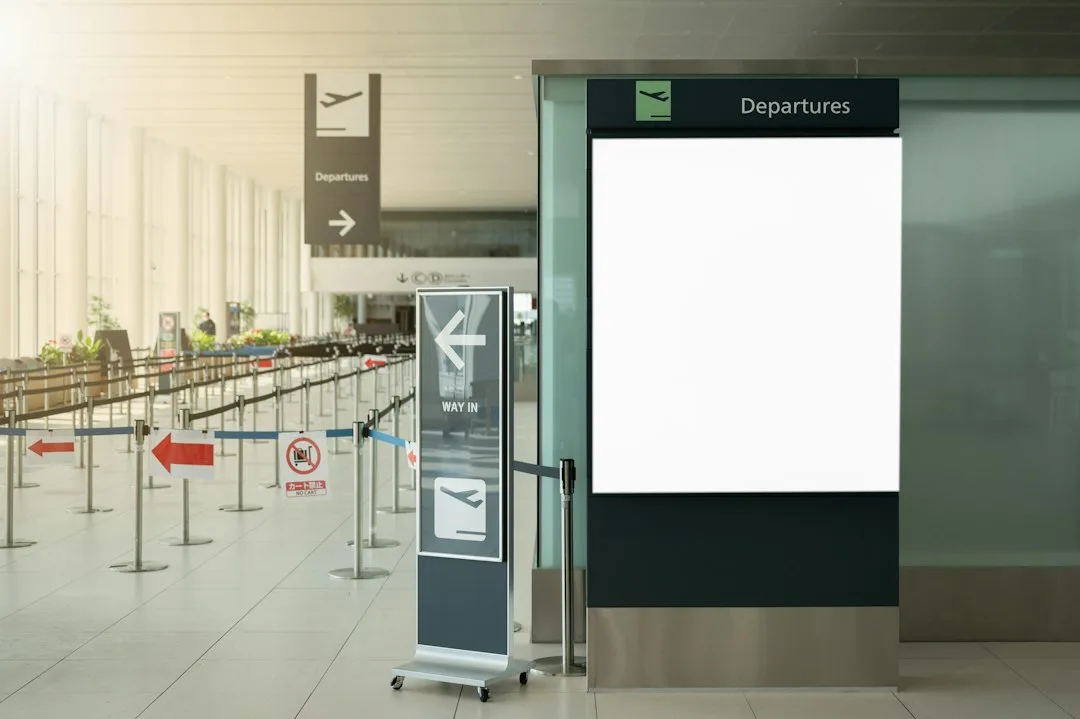
Traditional airlines print your boarding pass at the counter for free. Ultra-low-cost carriers consider counter service a luxury add-on. If you arrive at the airport without checking in online via their mobile app, expect an unpleasant surprise.
Ryanair, for instance, charges up to £55 ($70) per passenger simply to print a boarding pass at the desk. For a family of four, this single oversight can wipe out $280 before even passing security.
Set a calendar reminder for 24 hours before your departure. Check in via the airline app. Take clear screenshots of your digital QR codes and save them to your offline photo wallet. Do not rely on spotty airport Wi-Fi to load your pass at the gate.
Make sure your phone battery has plenty of charge. If your phone dies before the boarding gate, agents will redirect you to the desk to pay for a paper reprint.
What Usually Happens in Real Life

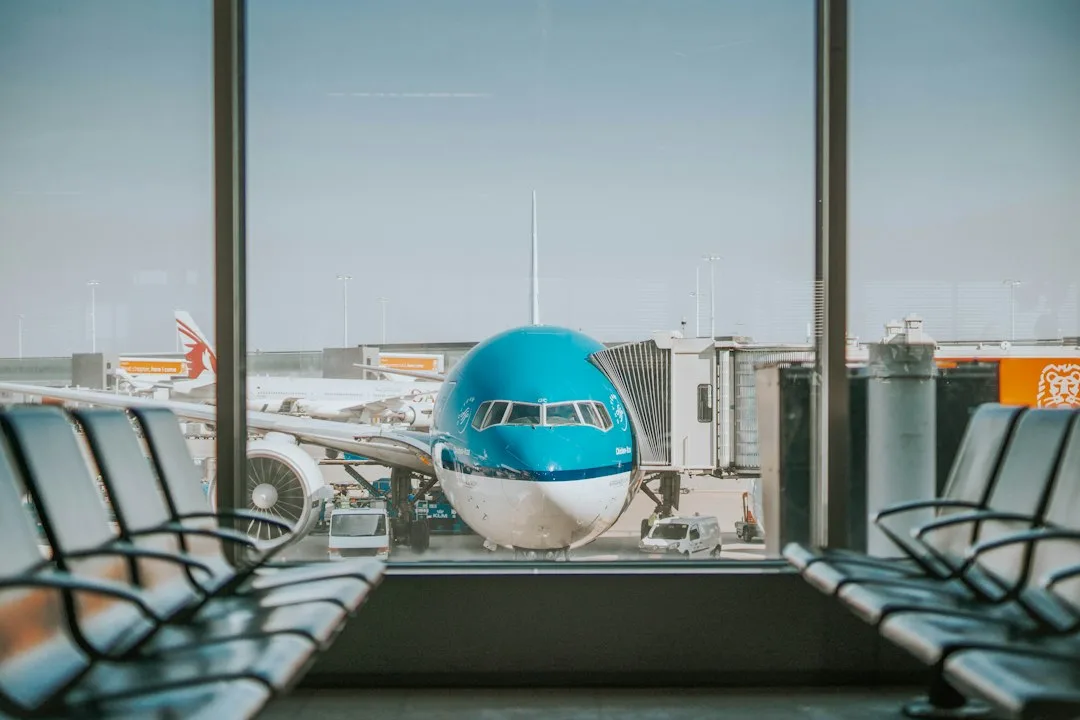
A traveler books a $34 flight from London to Paris. They feel thrilled with their clever bargain. Then the cascade of hidden costs begins.
First, they pay $18 to select an aisle seat because the booking system warns they will be randomly assigned a middle seat. Next, they add a cabin suitcase for $35. On flight day, they discover their flight departs from London Stansted at 6:15 AM. Public trains are not running yet, forcing them into an $80 early morning taxi.
Upon landing, the plane touches down at Paris Beauvais airport. Beauvais is not in Paris. It sits 55 miles north in rural farmland. The shuttle bus into the city costs €18 ($20) each way and takes nearly two hours. The final bill for that $34 flight totals over $180. A regular flight on a legacy carrier from Heathrow directly into Charles de Gaulle would have cost less.
What Most People Overlook
The geographic distance of secondary airports is the most overlooked expense in budget air travel. Carriers keep landing fees low by serving regional airfields far outside city perimeters.
Before purchasing any flight, always calculate the door-to-door transit cost.
Add ticket price, bag fees, ground transfers, and transit time together. That sum represents your true flight cost.
In addition, budget airlines operate point-to-point networks without interline agreements. If your first flight is delayed and you miss your connection on another carrier, you have zero passenger protection. You must buy a brand-new same-day ticket at peak pricing.
Also check flight arrival times carefully. Landing at midnight at a secondary airfield leaves you vulnerable to exorbitant night taxi rates when public buses stop running.
Common Mistakes Beginners Make
- Paying for seat selection: Unless you travel with young children, decline seat fees. Couples separated by three rows will survive a short 90-minute flight.
- Buying snacks and drinks onboard: Budget flights charge $4.50 for water and $9 for a dry sandwich. Bring an empty water bottle through security and pack your own bakery snacks.
- Assuming basic travel insurance covers cancellations: The cheap third-party insurance offered during ticket checkout rarely covers missed connections or schedule changes. Check policy fine print carefully.
- Ignoring bag weight restrictions: Even if your bag fits the dimensions, budget airlines enforce strict 7 kg or 10 kg weight limits. Weigh your packed bag on a scale at home.
- Booking through obscure third-party ticket brokers: Purchasing budget tickets through shady online agencies makes managing check-in or adding bags later difficult. Always book directly on the airline website.
- Printing passes on incorrect paper sizes: Some non-EU budget carriers require printed boarding passes on full A4 sheets. Always read the confirmation email instructions.
Packing the Perfect 28L Personal Item Bag
To avoid luggage fees completely, invest in a dedicated under-seat travel backpack. Brands like Cabin Zero or Osprey manufacture bags precisely shaped to maximum airline dimensions.
Use compression packing cubes to condense your shirts, socks, and underwear. Roll your garments tightly instead of folding them flat. Place heavier shoes and chargers at the bottom of the bag for better weight distribution.
Frequently Asked Questions
Can family members sit together without paying seat fees?
In both the European Union and the United States, children under twelve must be seated next to an accompanying adult by law. The airline reservation system will assign these seats together at check-in without charging extra fees.
What happens if my personal item bag does not fit the sizer?
The gate agent will require you to pay an immediate gate baggage fee via credit card. If you refuse, they will deny boarding without a ticket refund.
Are budget airlines safe to fly?
Yes. Budget airlines in Europe and North America operate under identical civil aviation safety standards as legacy carriers. They fly modern Boeing and Airbus aircraft. They save money on customer service, amenities, and ground turnaround time, never on mechanical maintenance.
How early should I arrive at the airport for a budget flight?
Arrive at least two hours before domestic flights and three hours before international flights. Budget carrier check-in desks close strictly 45 minutes prior to departure with zero exceptions.