
Most international travelers follow an identical script when visiting Portugal. They spend three days in Lisbon. They ride the crowded yellow Tram 28. Then they take a high-speed train to Porto, sip Port wine, and fly home.
While Lisbon and Porto are wonderful cities, they now face intense tourism pressures. Narrow alleys clog with tour groups. Restaurant prices continue to climb steadily. Real estate conversions have pushed many local residents into outer suburbs.
The true magic of Portugal thrives between those two famous urban bookends. When you rent a car and drive through the Silver Coast and the Alentejo plains, you discover an authentic country. Here, centuries-old traditions remain part of everyday life.
Seven Overlooked Portuguese Towns Worth Visiting
To experience Portugal at its finest, add these seven distinctive destinations to your road trip route.
1. Costa Nova: The Striped Coastal Haven
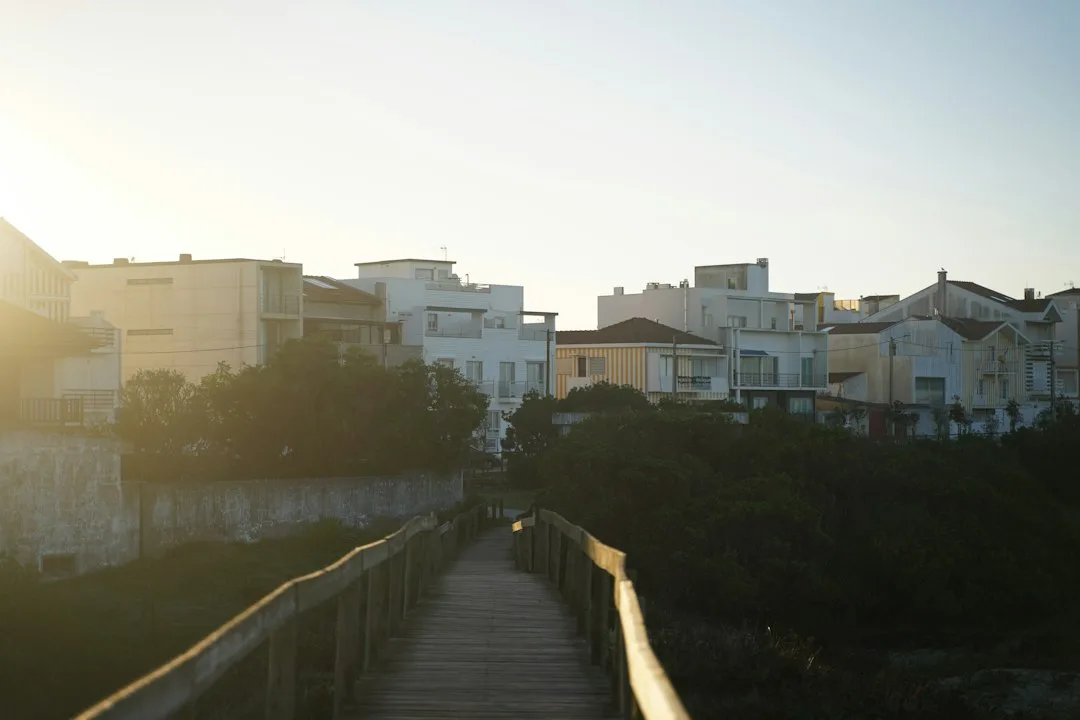
Located just an hour south of Porto, Costa Nova sits on a narrow sandbar. The town is famous for its wooden houses painted in bright vertical stripes. Historically used by fishermen to store nets, these buildings now house cozy seaside cafes. The beach here stretches for miles with soft sand and brisk Atlantic breezes.
2. Obidos: The Enclosed Walled Kingdom
Obidos is a fully preserved medieval town enclosed by stone ramparts. Whitewashed cottages are trimmed in vivid blue and yellow paint. Bougainvillea spills over stone doorways. Walk the ancient fortress perimeter early in the morning before day-trip buses arrive from Lisbon. Be sure to sample ginjinha, a sour cherry liqueur served in edible dark chocolate cups.
3. Tomar: The Grand Knights Templar Citadel
Tomar houses the Convent of Christ, one of Europe’s most spectacular historic monuments. Built as a stronghold for the Knights Templar in the 12th century, its Manueline architecture is stunning. The town below offers quiet public squares, shady riverfront parks, and historic watermills.
4. Monsaraz: The Hilltop Watchtower
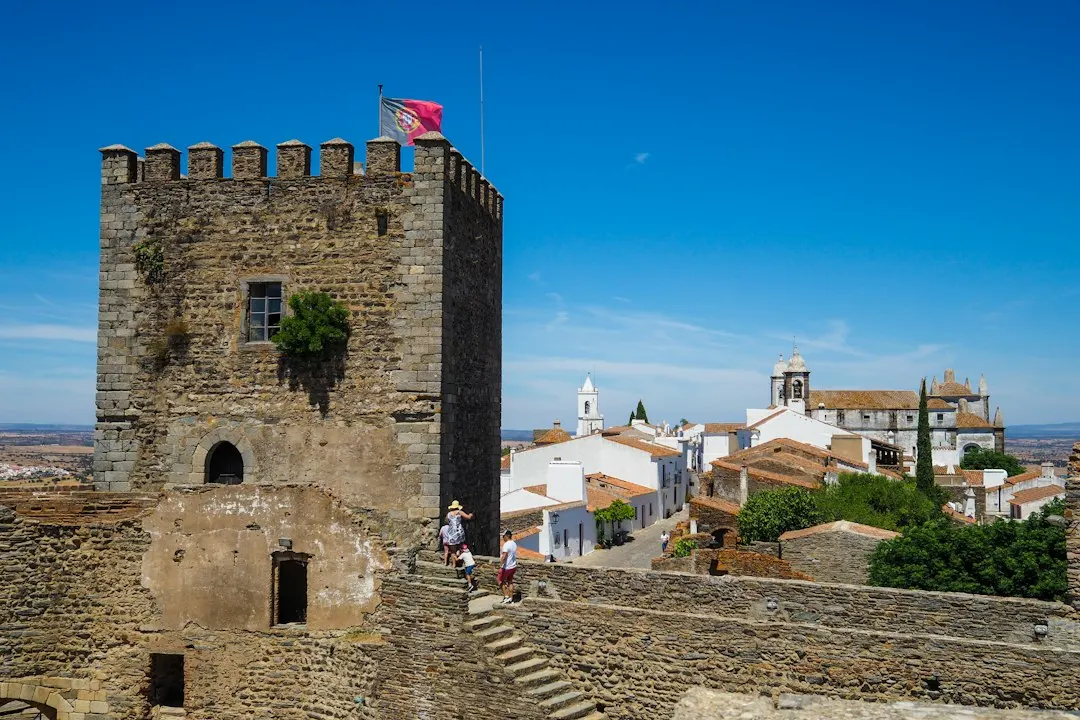
Perched high on a ridge near the Spanish border, Monsaraz overlooks the sparkling blue waters of the Alqueva reservoir. Stone cottages line car-free cobblestone paths. Cars cannot enter the medieval gates, preserving a hushed atmosphere. At night, Monsaraz becomes a protected dark sky reserve, offering world-class stargazing.
5. Evora: Roman Pillars and Gothic Arches
Evora serves as the cultural heart of the central Alentejo wine region. Its historic core features a remarkably preserved Roman temple from the first century. Nearby stands the eerie Chapel of Bones, built by Franciscan monks. University students fill the sunny plazas with youthful energy and acoustic guitar music.
6. Nazare: Beyond the Giant Waves
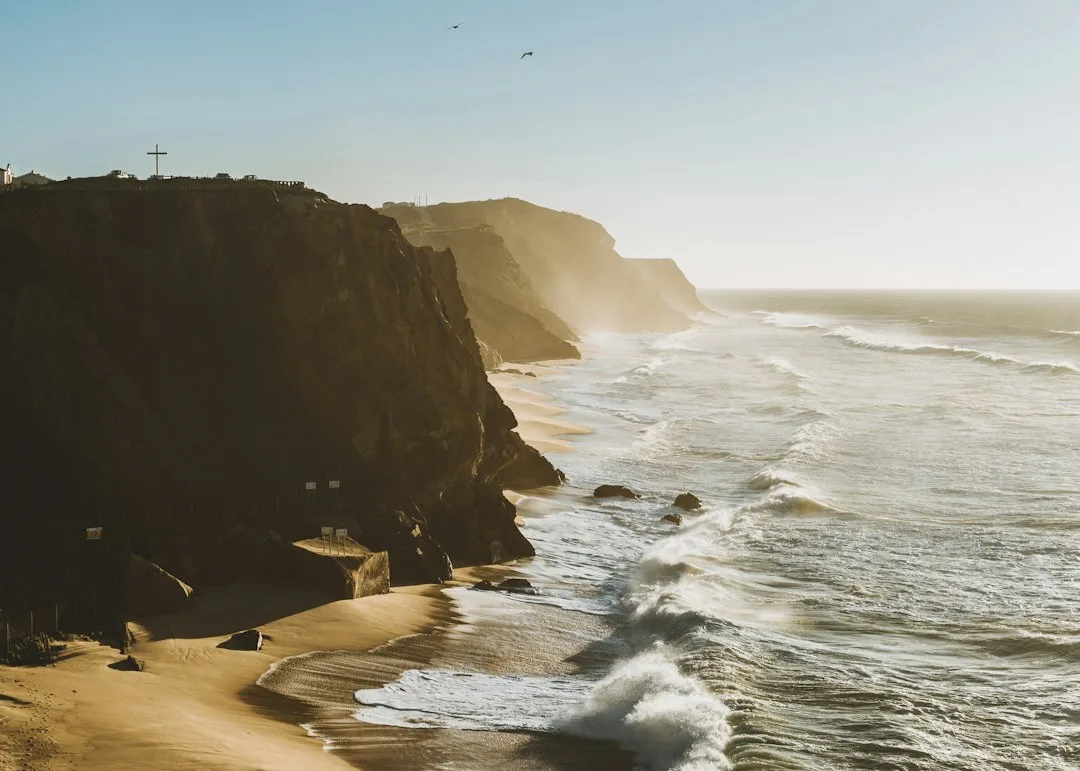
While surfers know Nazare for its 80-foot winter monster waves, the town is equally fascinating during calmer seasons. In the upper cliff neighborhood of Sitio, elderly women still wear traditional seven-layered skirts. The town market features freshly dried fish and sweet sea salt.
7. Marvao: Castle in the Clouds
Situated in the eastern mountains, Marvao sits almost three thousand feet above sea level. From the granite parapets of its castle, you can see deep into Spain. Ancient olive trees and quiet herb gardens cling to the mountain slopes.
What Usually Happens in Real Life
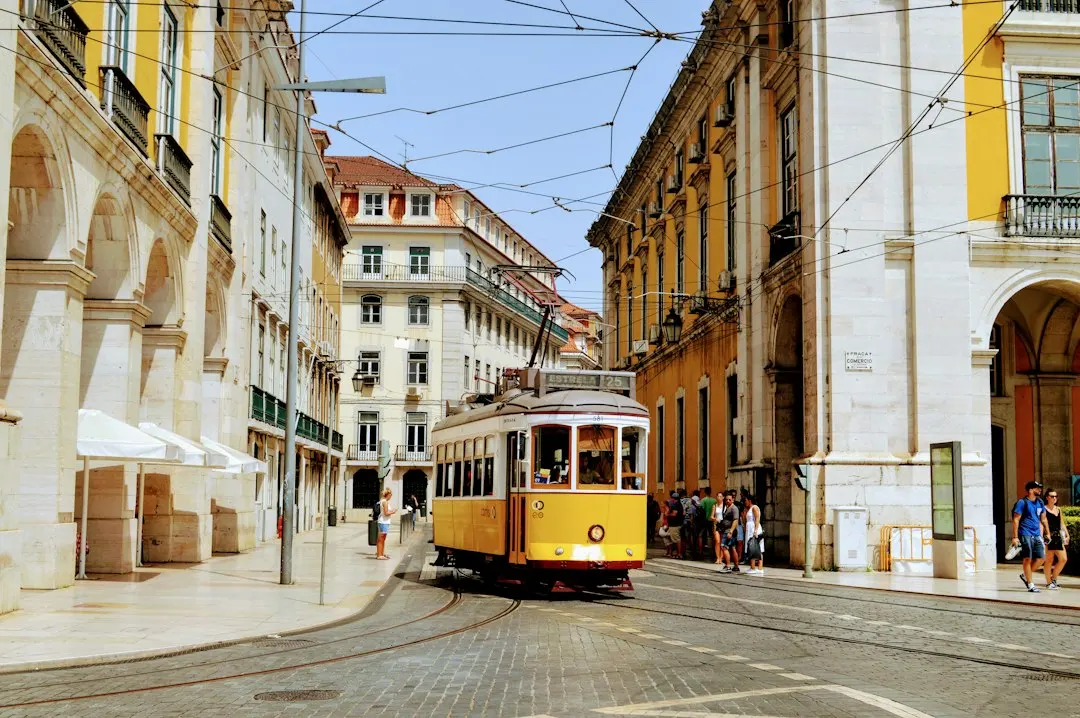
Travelers often plan to visit smaller towns by public bus from Lisbon. That plan usually ends in frustration. Regional bus schedules are infrequent. Missing a connection can leave you waiting three hours at a dusty rural station.
In our experience, renting an affordable compact car is the key to unlocking Portugal. Portuguese toll highways are smooth, well-paved, and remarkably empty compared to American or British highways. Drivers are polite and observe lane etiquette strictly.
Do not attempt to drive into the historic centers of hill towns. Streets were built for pack mules, not modern rental cars. Park in designated free municipal lots outside town gates and walk into the center.
What Most People Overlook
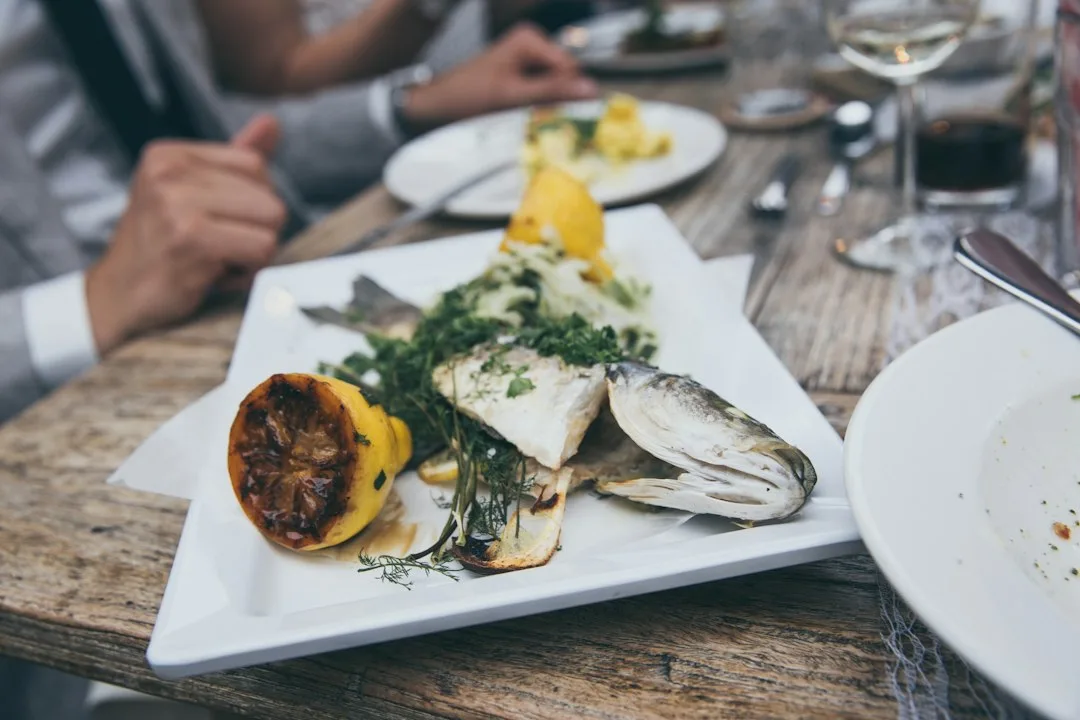
Most travelers overlook the regional dining economics of rural Portugal. In central Lisbon, a seafood dinner easily costs €35 per person. In smaller coastal towns like Peniche or Nazare, a family-run tasca serves fresh grilled sea bream, potatoes, and local wine for €12.
In the Alentejo, order regional specialties like carne de porco a alentejana. This dish combines tender marinated pork cubes with sweet Atlantic clams and crispy coriander potatoes. It represents the perfect marriage between land and sea.
Additionally, small town guesthouses offer unmatched hospitality. Hosts routinely share fresh oranges from their orchards or bottles of homemade olive oil. You feel like a welcomed guest rather than a tourist number.
Common Mistakes Beginners Make
- Skipping highway toll transponders: Many Portuguese highways rely on electronic-only toll gantries. Always rent the electronic “Via Verde” toll transponder from your car rental agency to avoid hefty toll fines.
- Renting an oversized car: Small European hatchbacks are essential. Trying to steer through narrow medieval archways in a large SUV will scratch your rental mirrors.
- Visiting hill towns during midday heat: Stone towns in the Alentejo absorb solar heat. Plan your walking tours for early morning or late afternoon, resting during peak midday sun.
- Ignoring the Sunday closing rule: In smaller towns, family restaurants and grocery stores close on Sundays and Monday lunchtimes. Check operating schedules in advance.
- Packing smooth-soled shoes: Portuguese cobblestone pavements, known as calcada portuguesa, become slippery like ice when worn down. Wear shoes with deep rubber traction.
Best Times of Year to Drive Rural Portugal
Timing makes a huge difference on the Silver Coast and in the Alentejo. May and June bring blooming wildflowers and mild coastal breezes. September and October offer warm ocean waters and active grape harvests.
Midsummer brings high heat inland. If you visit in July or August, stick closer to the coast where ocean winds keep days comfortable.
Frequently Asked Questions
.
Is driving in Portugal difficult for foreign visitors?
Driving on main highways and regional roads is straightforward and stress-free. Avoid driving inside old historic town walls where alleys narrow to inches. Park outside the walls and explore on foot.
How many days do I need for a road trip between Lisbon and Porto?
We recommend four to six days. This timing allows you to explore Obidos, Tomar, and the Silver Coast without rushing between destinations.
Do locals in smaller towns speak English?
Younger locals and hospitality staff speak excellent English. Older shopkeepers in rural villages may speak only Portuguese, but they are warm, patient, and welcoming to polite visitors.