
Every summer, millions of vacationers pack into European capitals and Caribbean beaches. They pay peak airfares, fight through sweltering 95-degree heat, and stand in two-hour museum queues. By the time they return home, they need another vacation just to recover.
Seasoned travelers do not travel in July or August. They target the magical calendar periods known as the shoulder season. Traveling during these sweet spots delivers five-star experiences at two-star prices.
The Calendar Windows: Timing Your Regional Trips
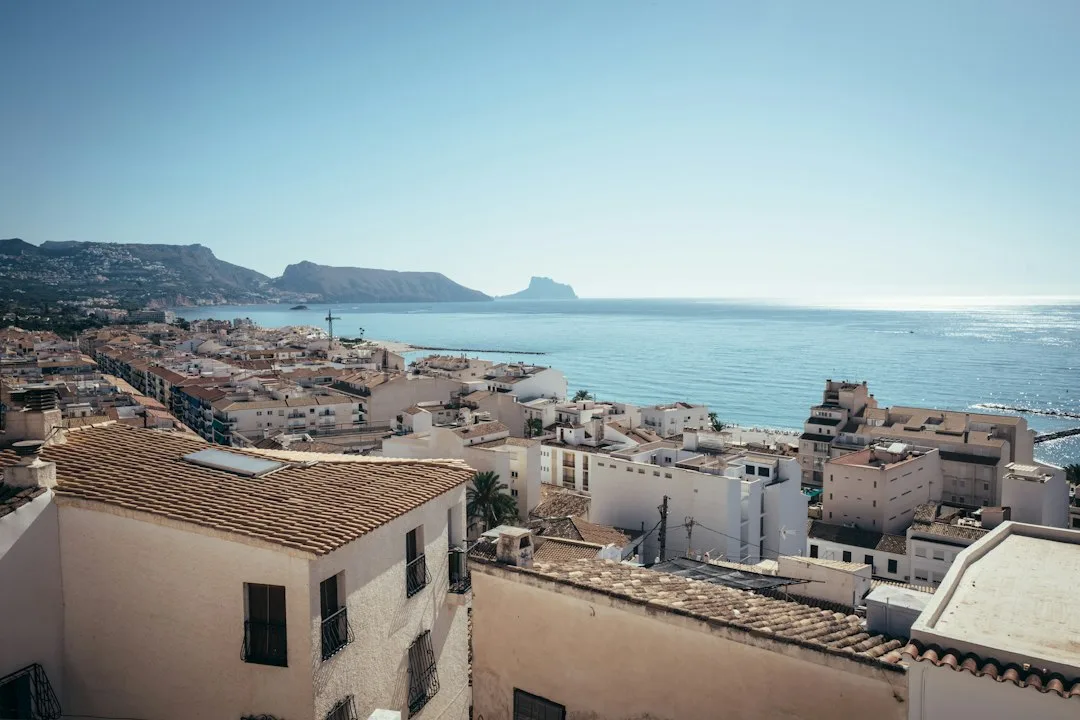
Shoulder season refers to the travel period between a destination’s peak high season and sluggish off season. Weather remains pleasant, services are fully open, but tourist masses have departed.
Here are the premier shoulder season windows around the globe:
- Southern Europe (Italy, Greece, Spain): Late April to May, and mid-September through late October. The Mediterranean Sea remains warm enough for swimming in October. Boutique hotel prices plunge by 45%.
- Northern Europe (Scandinavia, UK, Germany): May and September. You enjoy long daylight hours without summer crowds.
- Southeast Asia (Thailand, Vietnam, Bali): April, May, and October. You avoid the peak winter holiday rush while experiencing gentle brief showers that cool the afternoon air.
- North American National Parks: September to mid-October. Wildlife viewing peaks, fall foliage ignites, and park shuttle lines vanish.
Massive Pricing Drops Across Hotels and Flights
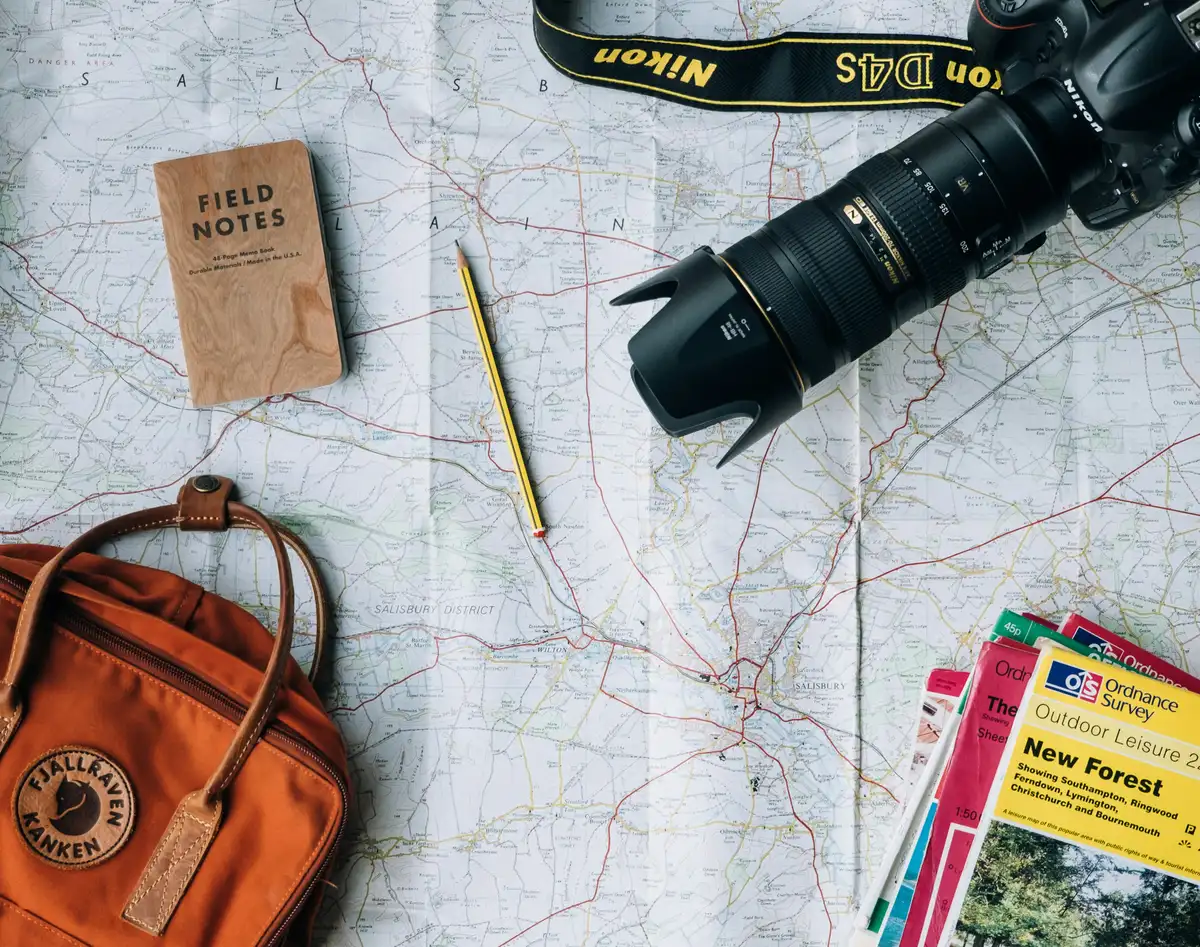
Airlines and hotels rely on dynamic revenue management software. When demand spikes in July, algorithms drive prices up automatically. As soon as school resumes in September, demand plunges, and algorithms slash rates to fill capacity.
A cliffside boutique suite in Santorini that commands €650 per night in late July often rents for €220 per night in mid-October. Transatlantic airfares frequently drop from $1,200 down to $520 roundtrip.
You can upgrade your lifestyle entirely on the same budget. Instead of sleeping in cramped budget quarters during peak season, your money buys upscale character hotels, ocean-view balconies, and memorable dining experiences.
Car rental rates also crash. In places like Mallorca or Tuscany, renting a vehicle drops from $80 a day in July to just $22 a day in October.
What Usually Happens in Real Life
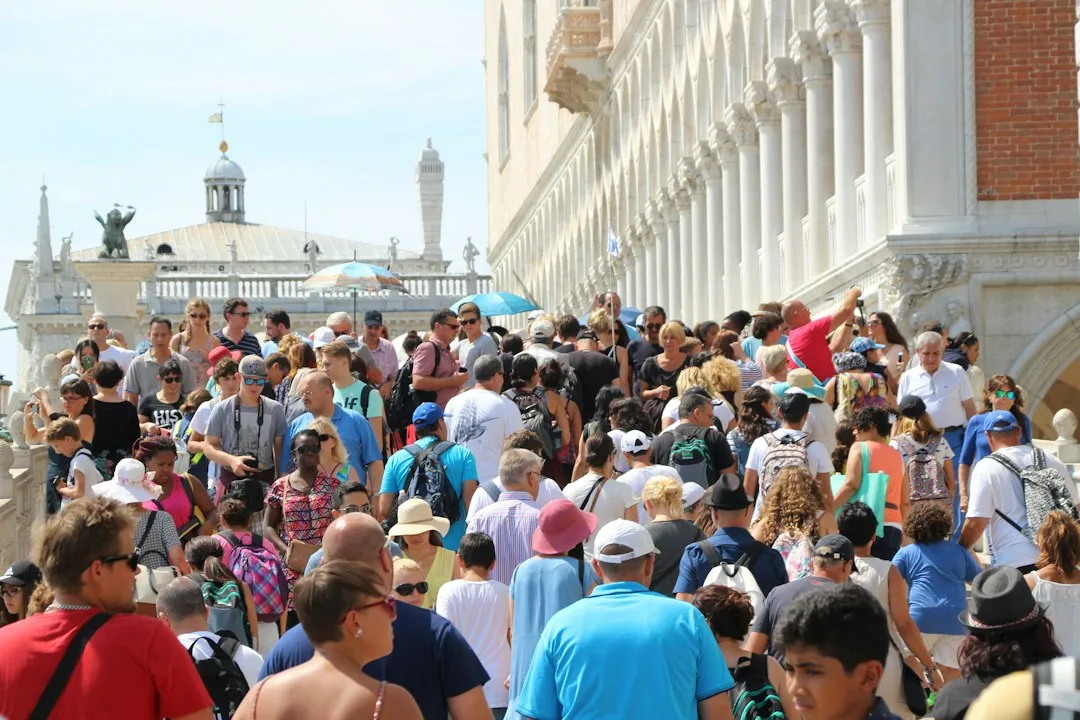
Many travelers cling to rigid ideas about summer vacations. They assume that if they do not travel in July, the destination will be cold, closed, or rainy. In reality, modern summers in southern Europe have become punishingly hot.
Temperatures in Rome, Athens, and Seville now regularly surpass 104 degrees Fahrenheit (40°C) during July and August. Sightseeing turns into an endurance test. Exhausted travelers spend their afternoons hiding inside air-conditioned hotel rooms rather than exploring historic streets.
In contrast, October in southern Italy brings pleasant 72-degree days. You walk through ancient ruins in cool comfort without drenching your clothes in sweat. Restaurant staff are relaxed and welcoming because they are no longer overwhelmed by seasonal chaos.
You can easily secure prime dinner tables without booking weeks in advance. The overall pace of travel slows down to a restful, humane tempo.
What Most People Overlook
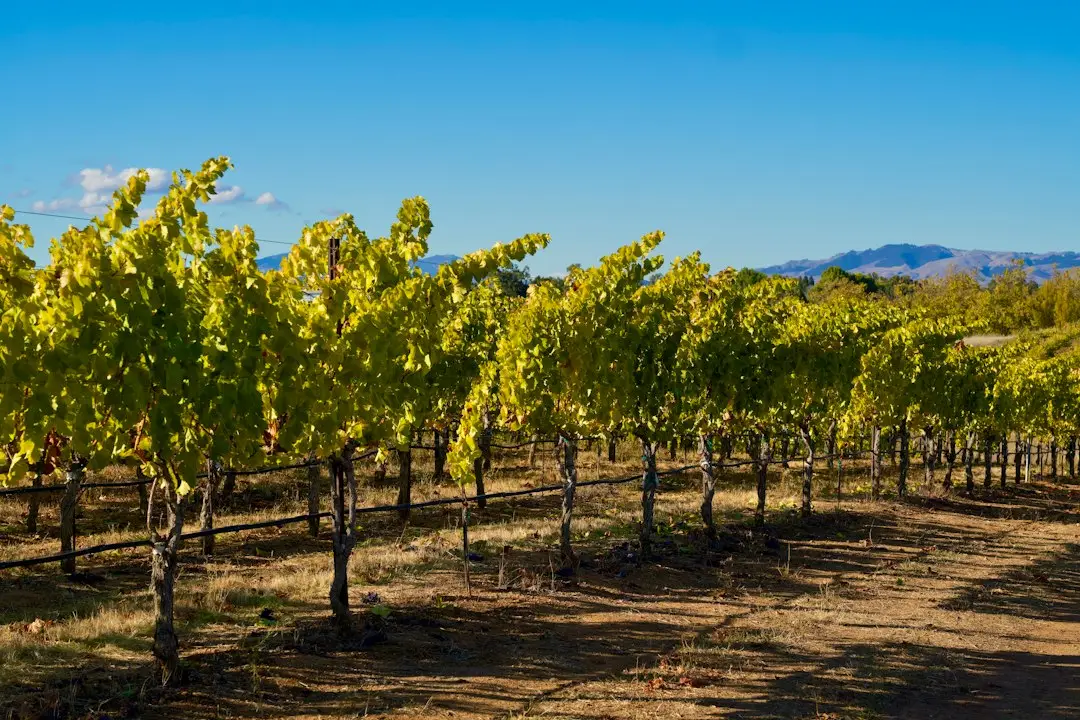
Most people overlook the immense emotional upgrade that comes with crowd reduction. Visiting the Louvre or the Vatican in July involves shuffling behind tour groups holding selfie sticks. The noise echo in historic galleries can be deafening.
During late autumn, you can stand before great works of art in quiet contemplation. You hear the whisper of water in public fountains. You can photograph iconic landmarks without hundreds of strangers filling your frame.
In addition, local culture thrives in shoulder season. Autumn is harvest season across Europe. You encounter local wine grape harvests in Tuscany, olive pressings in Greece, and white truffle fairs in northern Italy. Locals have time to chat, share family recipes, and welcome you as a guest rather than another anonymous tourist.
Seasonal produce is at its peak. Fall menus feature fresh wild mushrooms, roasted chestnuts, and rich game stews that summer tourists never experience.
Common Mistakes Beginners Make

- Traveling too close to the dead of winter: Know the difference between shoulder season and off-season. Visiting Greek islands in late November means ferry schedules drop to once weekly and beach tavernas shutter. Stick to late September or October.
- Failing to check seasonal daylight hours: While spring offers expanding daylight, late autumn means sunsets around 5:30 PM. Plan outdoor hiking and photography earlier in the day.
- Packing solely for hot weather: Shoulder season brings crisp mornings and breezy evenings. Pack a lightweight down jacket and a versatile scarf to layer easily over daywear.
- Assuming museum operating hours remain identical: Many cultural sites shift to shorter winter schedules starting in October. Always verify opening times online before heading out.
- Skipping travel insurance during transitional weather: Autumn can bring sudden frontal rain systems. Having flexible booking tickets and basic travel insurance protects your plans if storm fronts roll through.
- Overlooking heating in Mediterranean accommodations: Stone houses in southern Europe can feel chilly at night in late October. Ensure your lodging includes functional heating or extra blankets.
Using Date Grids to Pinpoint Lowest Fares
Flight booking algorithms reveal huge fare differences based on a single departure day. When searching for shoulder season airfares, always open the calendar date grid on flight search tools.
Departing on a Tuesday or Wednesday in late September often costs 35% less than flying on a Friday. Similarly, shifting your return flight by two days can save hundreds of dollars across a family booking.
Frequently Asked Questions
Will shops and restaurants still be open during shoulder season?
Yes. In major cities, life continues year-round. In seasonal beach destinations like the Amalfi Coast or Greek Cyclades, businesses stay fully open through late October before scaling down for winter renovations.
Is swimming in the sea still comfortable in October?
In the southern Mediterranean, the sea absorbs heat all summer long. Water temperatures in October often remain around 72°F to 75°F (22°C–24°C), which is warmer than the sea in June.
How far in advance should I book shoulder season trips?
Shoulder season is growing in popularity among smart travelers. Booking flights and key accommodations two to three months in advance secures the best promotional rates.
Are public transportation and ferries reliable in shoulder season?
Public trains and city metros run normal schedules year-round. Island ferries reduce their frequencies slightly, but daily connections between major islands remain consistent through October.