
When planning a trip, people obsess over finding cheap flights and hotel discounts. Yet many travelers calmly surrender 8% to 14% of their entire spending budget to hidden banking fees, predatory ATM markups, and currency conversion traps.
Financial institutions rely on your unfamiliarity with foreign exchange to extract quiet profits at every card swipe. With a few simple banking habits, you can keep every cent of your hard-earned cash working for your vacation.
The Dynamic Currency Conversion Scam
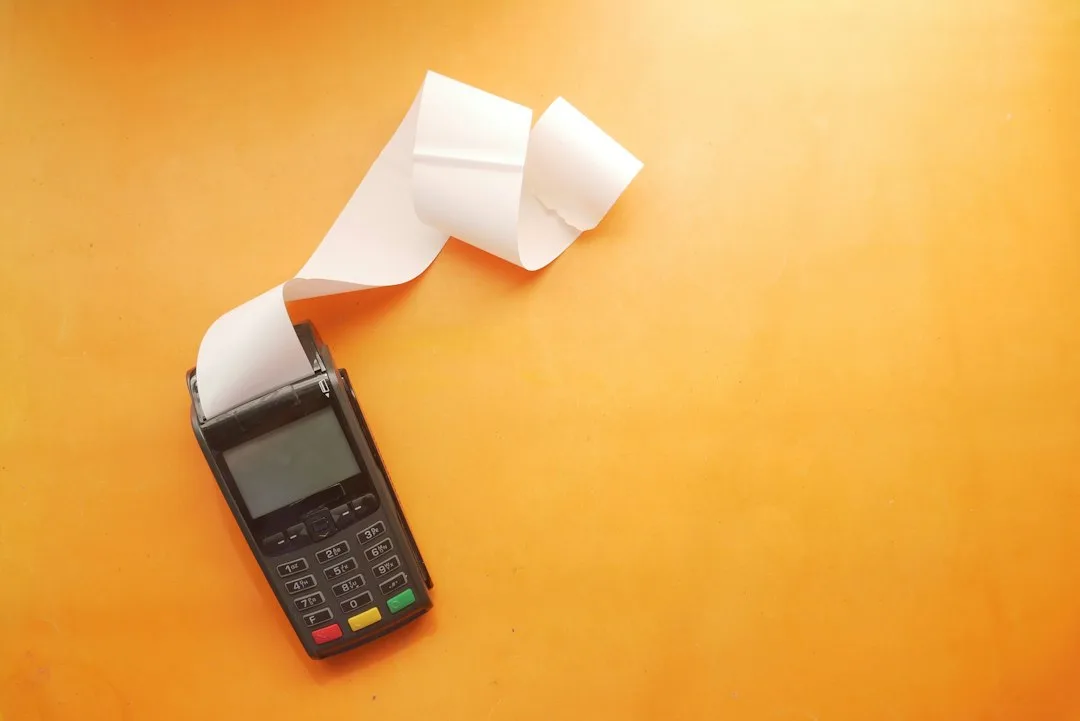
You finish a wonderful dinner in Barcelona or Tokyo. The waiter hands you the card reader. The screen displays a prompt asking: “Pay in USD or EUR?”
Seeing your home currency feels comforting. Many tourists press USD thinking they are being smart. This psychological trap is called Dynamic Currency Conversion (DCC). By choosing your home currency, you allow the merchant’s foreign bank to set the exchange rate.
That merchant bank will charge an atrocious exchange margin between 6% and 11% above the true mid-market rate. Always press the button for the local currency of the country you are standing in. Your home bank will process the transaction using the competitive wholesale Visa or Mastercard rate.
This rule applies everywhere. Whether buying coffee, paying for museum tickets, or shopping for souvenirs, always charge your card in the local tender.
Independent Airport ATMs vs. Official Bank Branches
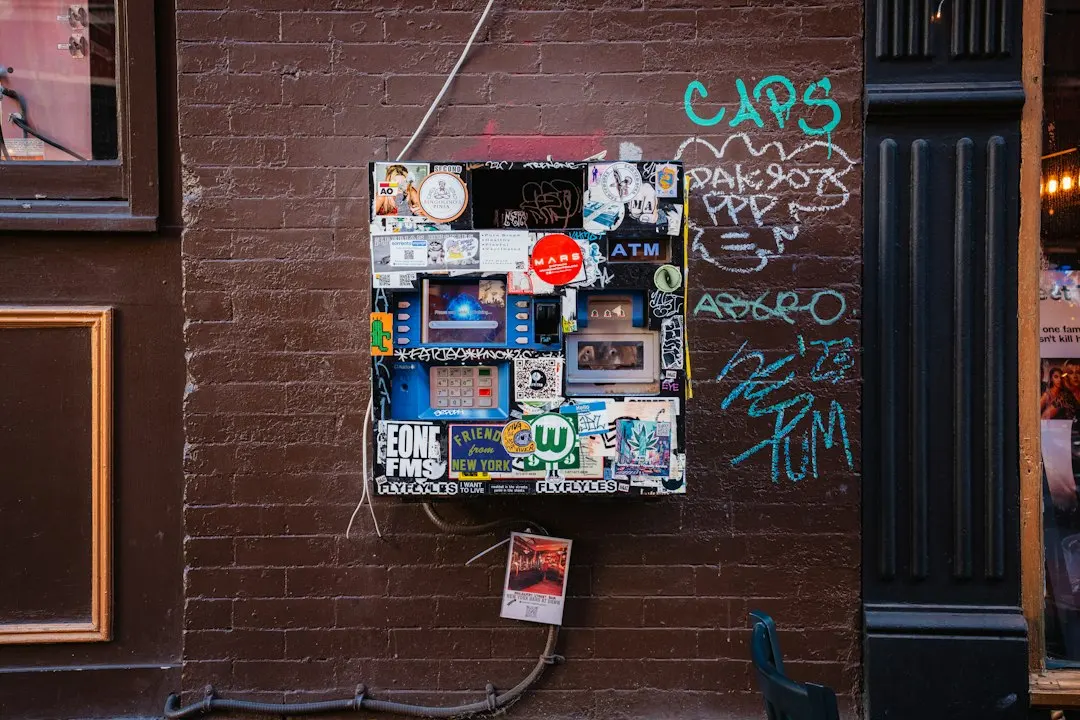
You step off a twelve-hour flight and see a yellow-and-blue ATM with bright letters shouting “Cash Here.” These standalone machines, operated by companies like Euronet, Travelex, or Moneybox, sit in airports, train stations, and nightlife districts.
They are not charitable services. Independent convenience ATMs charge heavy direct usage fees ($4 to $8 per transaction) plus disguised conversion spreads. Many machines defaults to withdrawing massive sums of cash, tricking visitors into accepting exorbitant conversions.
Walk past the airport concourse and locate an ATM physically attached to an established commercial bank. Legitimate bank ATMs adhere to national financial regulations and provide clean interbank settlement.
Look for recognizable bank names like Santander, BNP Paribas, BBVA, or Deutsche Bank. If an ATM is located inside a secure bank vestibule, use it. You gain safety and fair pricing at once.
What Usually Happens in Real Life
Consider two friends traveling across Italy for two weeks with $2,500 of planned spending money.
Friend A exchanges $500 in physical cash at the airport kiosk before leaving home. The kiosk takes a 12% spread ($60 gone). In Rome, Friend A makes four ATM withdrawals at standalone tourist machines, racking up $28 in ATM access fees. On card purchases, Friend A taps “Pay in USD” every time, losing another $140 in dynamic conversion. Finally, their traditional home credit card adds a 3% foreign transaction fee on every purchase ($60). Total money lost to fees reaches $288.
Friend B travels with a modern debit card that refunds worldwide ATM fees and charges zero foreign transaction fees. Friend B always chooses local currency on card terminals and makes two strategic withdrawals at official bank branches. Total banking fees paid equal exactly zero dollars.
What Most People Overlook
Many travelers forget to check their credit and debit cards for foreign transaction fees before departure. Older checking accounts routinely charge a flat 3% fee on every single foreign purchase.
That means buying a $10 museum ticket costs you $10.30. A $100 hotel dinner costs $103. Those pennies add up relentlessly over a two-week trip. Opening a free travel-friendly account provides cards that never penalize you for international spending.
Another overlooked detail is ATM withdrawal refusal prompts. When a legitimate foreign ATM asks: “Continue with conversion or without conversion?” always select Without Conversion.
The ATM is attempting to apply its own internal conversion markup. Choosing “Without Conversion” forces the machine to route the raw charge to your home bank, which gives you the superior rate.
Also, beware of weekend exchange markups on fintech debit cards. Some app-based accounts add a 1% markup when international currency markets close from Friday night to Monday morning. Exchange your expected weekend funds on Friday afternoon to avoid that fee.
Common Mistakes Beginners Make
- Exchanging large cash bundles before traveling: Ordering foreign bank notes through airport booths carries the worst exchange rates in the industry. Withdraw cash upon arrival at a local bank ATM instead.
- Carrying only a single bank card: If an ATM swallows your card or a fraud algorithm freezes it, you are stranded. Always carry at least two cards from separate financial institutions, stored in different bags.
- Failing to notify your bank: While modern fraud algorithms use location intelligence, some traditional credit unions still freeze cards on the first international swipe. Check your bank app travel settings before flying.
- Using a credit card for ATM cash withdrawals: Never withdraw physical cash using a credit card. Banks classify this as a cash advance, triggering instantaneous interest charges at 28% without any grace period.
- Holding loose foreign coins until your return flight: Currency exchange booths do not accept metal coins. Spend all your remaining coins on airport snacks or donate them into charity boxes before boarding your return flight.
- Keeping all cash in one place: Never carry your entire cash reserve in your primary wallet. Keep emergency funds hidden in a separate bag pocket or hotel safe.
Frequently Asked Questions
How much physical cash should I carry when traveling abroad?
In most European and developed Asian cities, contactless card payments handle 90% of transactions. Carrying the equivalent of $50 to $100 in local cash is plenty for small tips, public restrooms, and rural produce markets.
What should I do if an ATM asks me to accept an exchange rate?
Decline the rate. The screen will display a warning claiming they cannot guarantee the final total. Decline anyway. The ATM will still dispense your cash, and your home bank will calculate the transaction at the fair wholesale market rate.
Is it safe to tap my card with Apple Pay or Google Pay abroad?
Contactless mobile pay is safer than swiping a physical card. It uses encrypted tokenization, preventing card skimming and keeping your actual card numbers concealed from merchants.
What should I do if my bank card is lost or stolen abroad?
Open your mobile banking app immediately and freeze the compromised card. Next, switch to your backup card stored in your luggage. Call your bank’s international emergency line to request a replacement card.